Graffiti can appear anywhere, from modern commercial buildings to historic stone walls, and it often leads to understandable frustration for property owners. The instinct to remove graffiti quickly is natural, but when the vandalism affects porous surfaces such as natural stone, brick, concrete or lime mortar, the method chosen becomes critical. Learning how to remove graffiti safely is not only a question of appearance but a matter of preserving the building’s structural integrity. The wrong technique can lead to permanent damage, visible scarring and weakened masonry. This is why professional help is essential, particularly across Yorkshire where many buildings are part of our architectural heritage.
Graffiti paint behaves differently on heritage masonry than it does on smooth or non-absorbent materials. Spray paint, permanent marker and poster adhesives all interact with stone and brick in a way that makes them difficult to remove without causing harm. Porous surfaces draw paint deep into the capillaries, bind it to the mineral grains and create stubborn stains that you cannot simply wash away. When owners attempt to remove graffiti using the wrong method, the result is often far worse than the original vandalism.
Why DIY Graffiti Removal Causes Long-Term Damage
A wide range of products marketed as graffiti remover, paint stripper, paint remover or chemical solvent claim to remove graffiti quickly. Many also advise scrubbing the surface with a wire brush, steel wool, or a standard soft bristled brush combined with hot water or warm water. These approaches may be suitable for metal, plastic, glass or car panels, but they are unsuitable for brick, stone or lime mortar. Harsh chemicals designed to dissolve paint attack the top layer of the masonry, change its colour, damage the binding matrix and leave visible patches that cannot be hidden.
DIY guides also commonly suggest using a pressure washer or power washer. This method damages sensitive surfaces. A pressure washer forces water deep into the wall where it becomes trapped, creating risks associated with frost damage, salt mobilisation and surface decay. Power washing also erodes the face of the brick wall or stone, removing the protective layer that has developed naturally over time. Once removed, this layer cannot be replaced, and the masonry becomes more vulnerable to future staining, moisture and deterioration.
There is also a misconception that rinsing a small area with pH-neutral soap, hot water, or even strong chemicals will lift the graffiti paint. In reality, even gentle scrubbing on a porous surface can push pigments deeper. The same risk applies when using an absorbent cloth, solvents, compressed air or the wrong type of brush. If the surface reacts badly, the damage becomes visible immediately and is often impossible to reverse. This is why removing graffiti on your own is time-consuming, unsafe and frequently leads to results that professionals later struggle to correct.
Why Heritage Masonry Requires Professional Techniques
Safe graffiti removal on stone, brick and lime mortar calls for techniques that respect the material. These surfaces behave differently from plastic, metal or modern concrete. Each wall absorbs paint differently, and the removal process must adapt to the unique characteristics of the surface. The wrong method can crack stone, crumble mortar and permanently alter the colour of the surface.
Professional conservation teams understand the structure of traditional masonry. They recognise the difference between a surface stain and paint that has settled deeply into the stone. They also know that methods such as sand blasting, strong chemicals, wire brushes and power washing are unsuitable for heritage properties. Professionals work with the material, not against it, and can identify the exact technique required to remove paint without harming the stone.
Why DOFF Steam Cleaning Is the Correct Method for Heritage Graffiti Removal
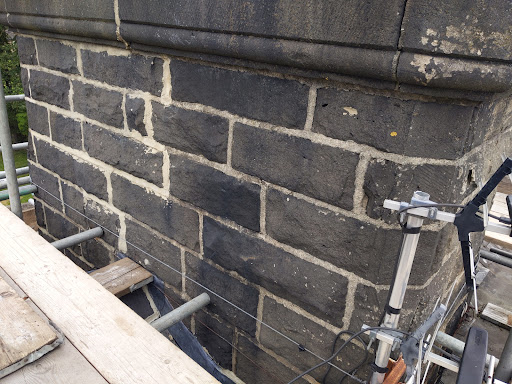
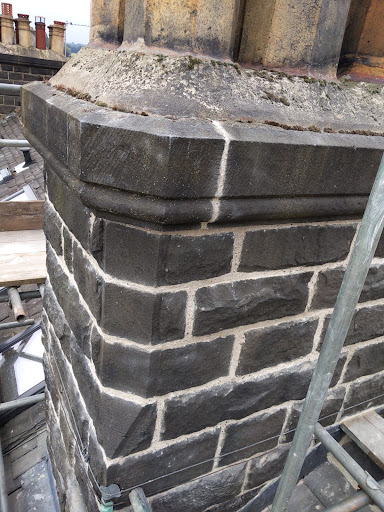
The DOFF cleaning system is widely used across conservation and heritage sectors because it provides the level of control required to clean masonry safely. The system uses steam heated to a high temperature while maintaining low, adjustable pressure. This softens graffiti paint, marker ink and stubborn stains without damaging the natural stone or brick beneath.
The DOFF system uses only water, so there is no chemical reaction that could affect the colour or surface of the masonry. Gentle pressure prevents saturation and reduces the risk of moisture becoming trapped within the structure. This is vital for heritage buildings, where breathing walls are essential to long-term stability. The controlled nature of DOFF cleaning achieves consistent removal while preserving the appearance of the surface.
Why Professionals Achieve Better and Safer Results
A professional graffiti removal specialist begins by assessing the wall, understanding the masonry type, the condition of the mortar, the depth of the paint and the existing protective layer, if any. They determine whether an anti-graffiti coating has been applied previously or whether one may be recommended to help protect the surface in future.
They consider the effects of warm water, heat, solvents and moisture, and they adjust the technique accordingly. This level of assessment is not possible through DIY methods.
Professionals also understand how to treat small sections of a wall without creating visible differences in colour or texture. They know how to support surfaces affected by repeated vandalism and how to manage coatings that have been sprayed over older materials. Their knowledge ensures that the removal process remains safe, controlled and appropriate for the age of the building.
How Professional Graffiti Removal Protects Your Building’s Future
Heritage buildings require more than a quick fix. Improper removal methods can weaken the masonry, disturb the mortar or expose the wall to further deterioration. When professionals carry out the work, they keep the masonry stable, maintain a consistent surface, and preserve the building’s original character. Their techniques remove graffiti while maintaining the building’s health for decades to come.
Contact Expert Graffiti Removers The Yorkshire Lime Company
If graffiti affects your property, you need professional help to ensure the removal process is safe, suitable for your building and delivers the best results. The Yorkshire Lime Company specialises in heritage-approved graffiti removal using the DOFF steam cleaning system, offering a method that protects both the masonry and the appearance of the wall. To arrange an assessment or discuss the most appropriate method for your property, contact our expert graffiti removal team at The Yorkshire Lime Company today. We protect Yorkshire’s historic buildings by delivering careful, conservation-led cleaning tailored to each surface.