Graffiti Removal Yorkshire
Doff Graffiti Removal For Delicate Surfaces
Reliable Graffiti Removal Yorkshire
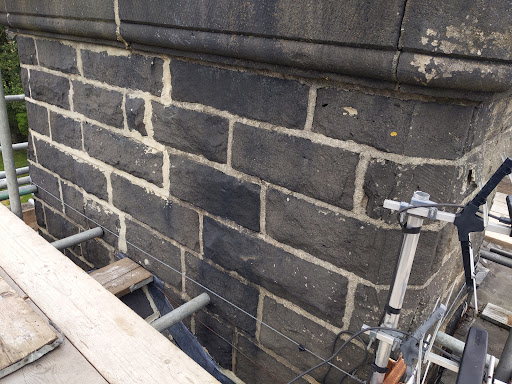
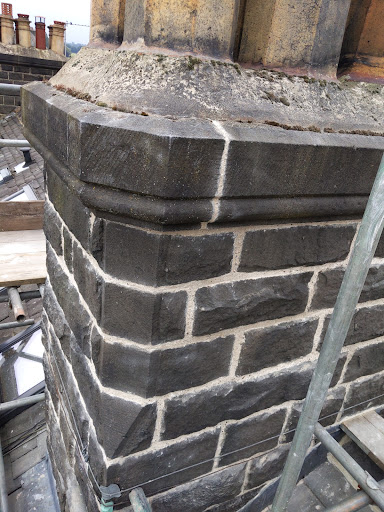
The Yorkshire Lime Company provides graffiti removal in Yorkshire for historic stonework, brickwork and other traditional masonry surfaces. We assess the substrate and coating before choosing a treatment.
Trials help establish what can be removed while retaining the original surface. Complete removal cannot always be achieved without harm, particularly where pigments have penetrated porous material.
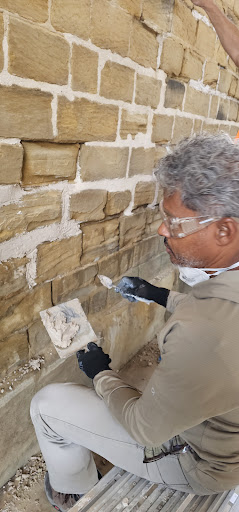
Graffiti Removal for Traditional Masonry
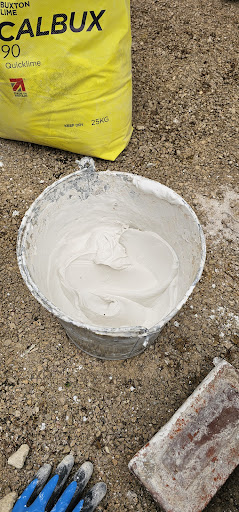
Traditional masonry and lime mortar can be damaged by untested solvents, aggressive scrubbing and high-pressure washing. The right approach depends on the paint, existing finishes, porosity and condition.
We test an appropriate treatment before extending it. DOFF may be useful for some deposits, but steam alone will not remove every type of graffiti.
Professional Graffiti Removal Services Across Yorkshire
We assess graffiti removal enquiries across Yorkshire. Send clear photographs of the marked area and surrounding wall, the property location, and any information about the coating or previous attempts to remove it.
We discuss access, trials, protection and any permissions before agreeing the work. Availability and timing depend on the project.
Choosing a Suitable Cleaning Method
DOFF offers controlled heat and low-pressure application that may be suitable for some graffiti deposits. Its suitability needs to be demonstrated on the actual surface rather than assumed from the name of the system.
A trial can reveal staining, surface sensitivity or changes in colour. We aim for an agreed, proportionate result and avoid repeated treatment that would remove historic material.
Our Graffiti Removal Process in Yorkshire
We first assess the wall, graffiti and any earlier finishes. A representative trial helps select the method and establish a realistic cleaning objective.
Where a shadow remains, further treatment is considered against the risk of damage. Photographing the graffiti before removal and consulting the relevant authority may also be appropriate. Read Historic England’s guidance on graffiti removal and prevention.
Steam Cleaning for Heritage and Commercial Properties
Cleaning can be considered for suitable historic residential, commercial and public buildings. The surface, coatings, joints, access and surrounding features all affect the approach.
The work should retain significant original material. A historic inscription or mark must be distinguished from unwanted modern graffiti before removal is considered.
Expert Cleaning Services for Heritage Buildings
Our approach combines conservation masonry experience with assessment and controlled cleaning trials. We explain the likely result and limitations, including the possibility of residual pigment.
Any proposed protective coating needs its own assessment for compatibility, appearance, moisture movement and future maintenance.
Responding to Graffiti on Historic Buildings
If graffiti appears on historic masonry, record it and seek advice before trying untested cleaning products. Early assessment can help plan an appropriate response, but urgency should not replace careful testing.
Contact Graffiti Removal Experts The Yorkshire Lime Company
To discuss graffiti removal in Yorkshire, send photographs, the location and a brief description of the problem. We can discuss assessment, access and suitable trials before agreeing the treatment and fee.
Send us a message
- Address:137 Hugh St, Castleford WF10 4DU
- Phone:0794 683 7106
- Email:info@theyorkshirelime.companyOpens in your application
- Website:www.theyorkshirelime.company
Graffiti Removal FAQs
Often it can be reduced or removed, but results depend on the paint, the porosity and condition of the masonry, and how deeply the material has penetrated. We assess and test before recommending treatment.
It can. Pigments may remain within pores even after surface paint is removed. Trying to eliminate every trace can damage the stone. A trial helps agree the best achievable result and an appropriate stopping point.
DOFF may be appropriate for some deposits and surfaces, but it will not remove every type of graffiti. The method is chosen after inspecting the material and carrying out a trial rather than assuming steam alone will work.
Avoid untested solvents, abrasive scrubbing and pressure washing on historic surfaces. They can spread pigments or remove the original face. Photograph the graffiti and seek advice before treating the area.
Some cleaning or removal work can affect the building’s character and may require listed building consent. Agree the proposed approach with the local planning authority, including any trial area, before treatment.
The size, coating, substrate, access, number of trials and likely treatment affect the cost. Send clear photographs, the location and any information about when the graffiti appeared so we can discuss the next step.
A coating is not an automatic recommendation for historic masonry. Its effect on appearance, moisture movement, future cleaning and maintenance needs careful assessment. Any coating proposal should be considered separately.