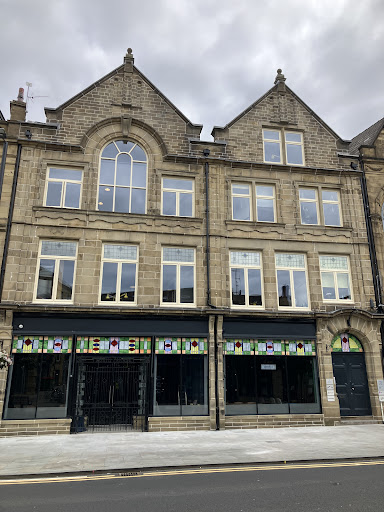
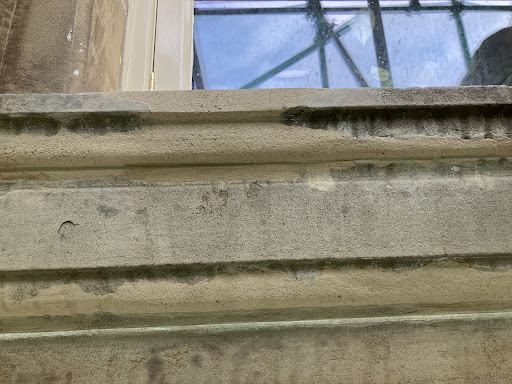
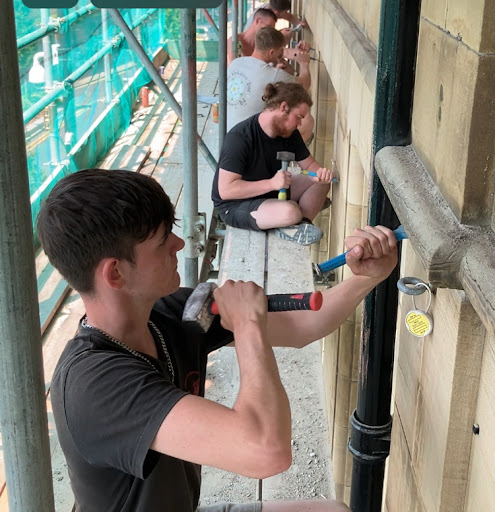
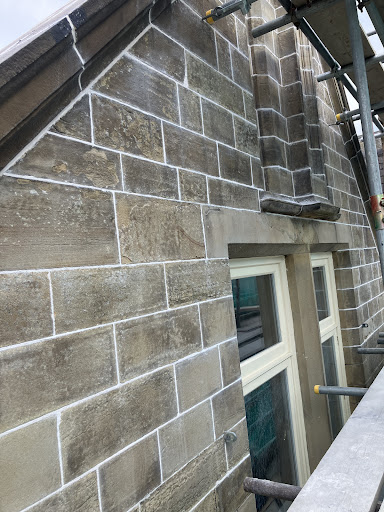
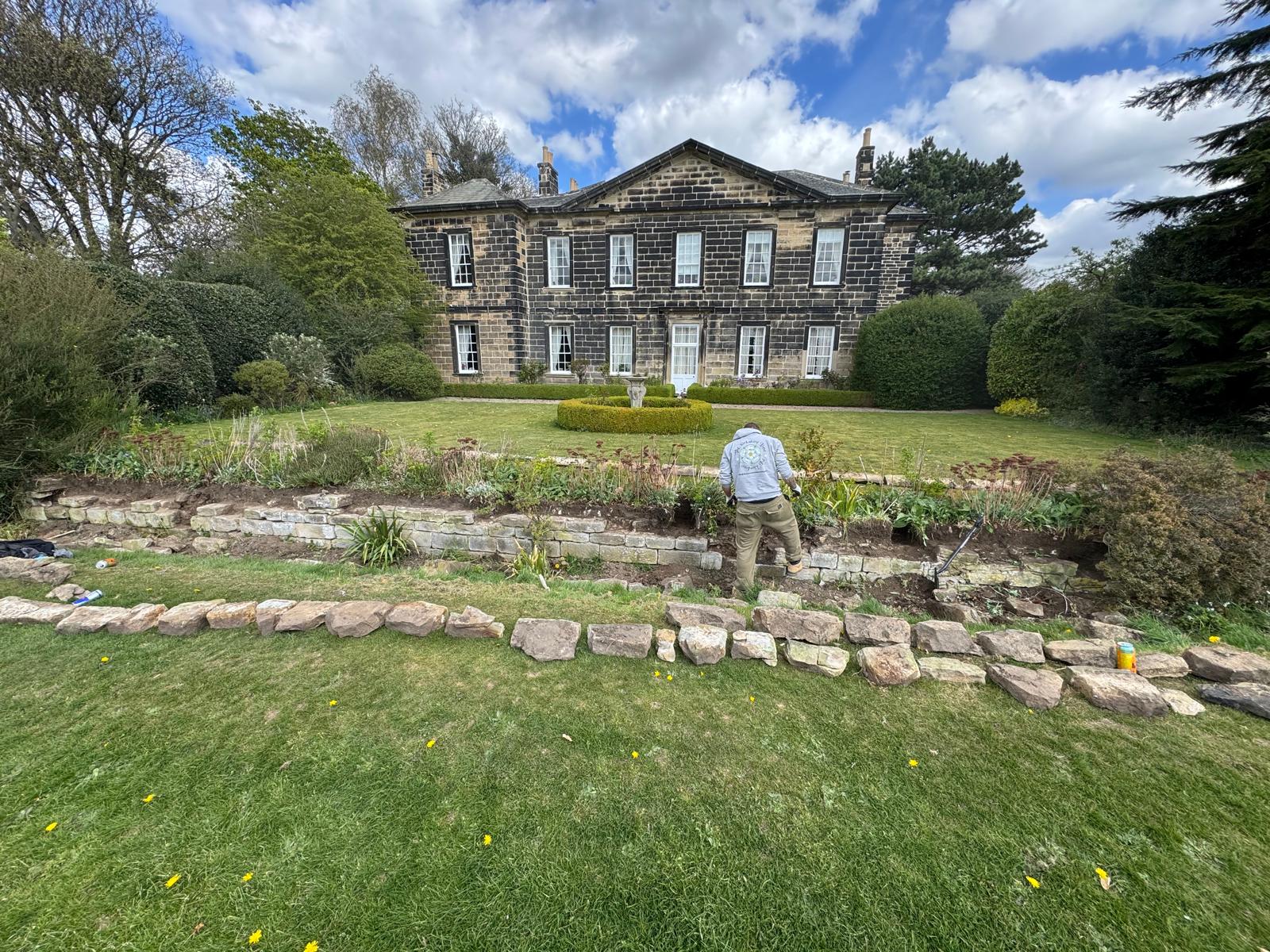
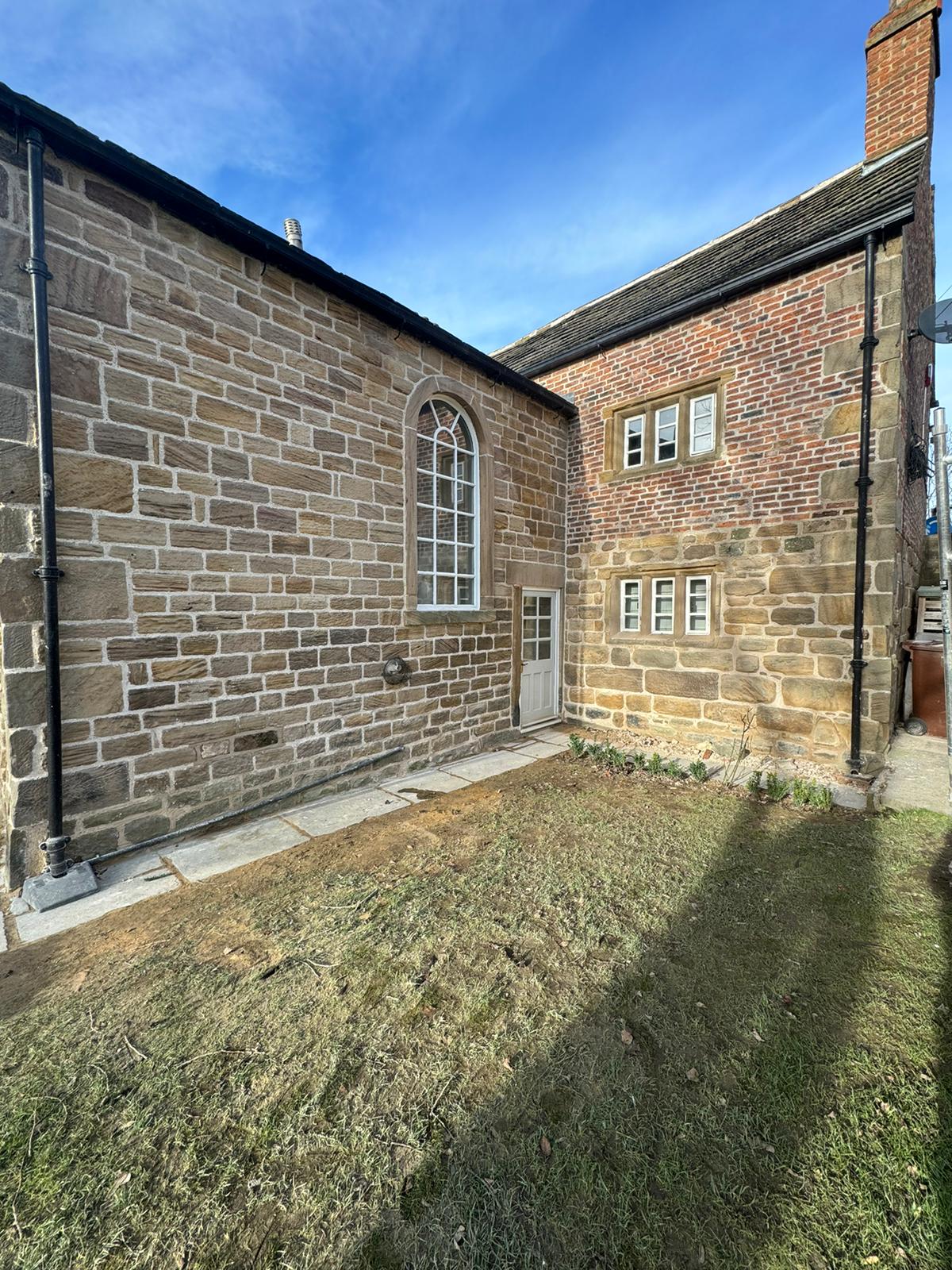
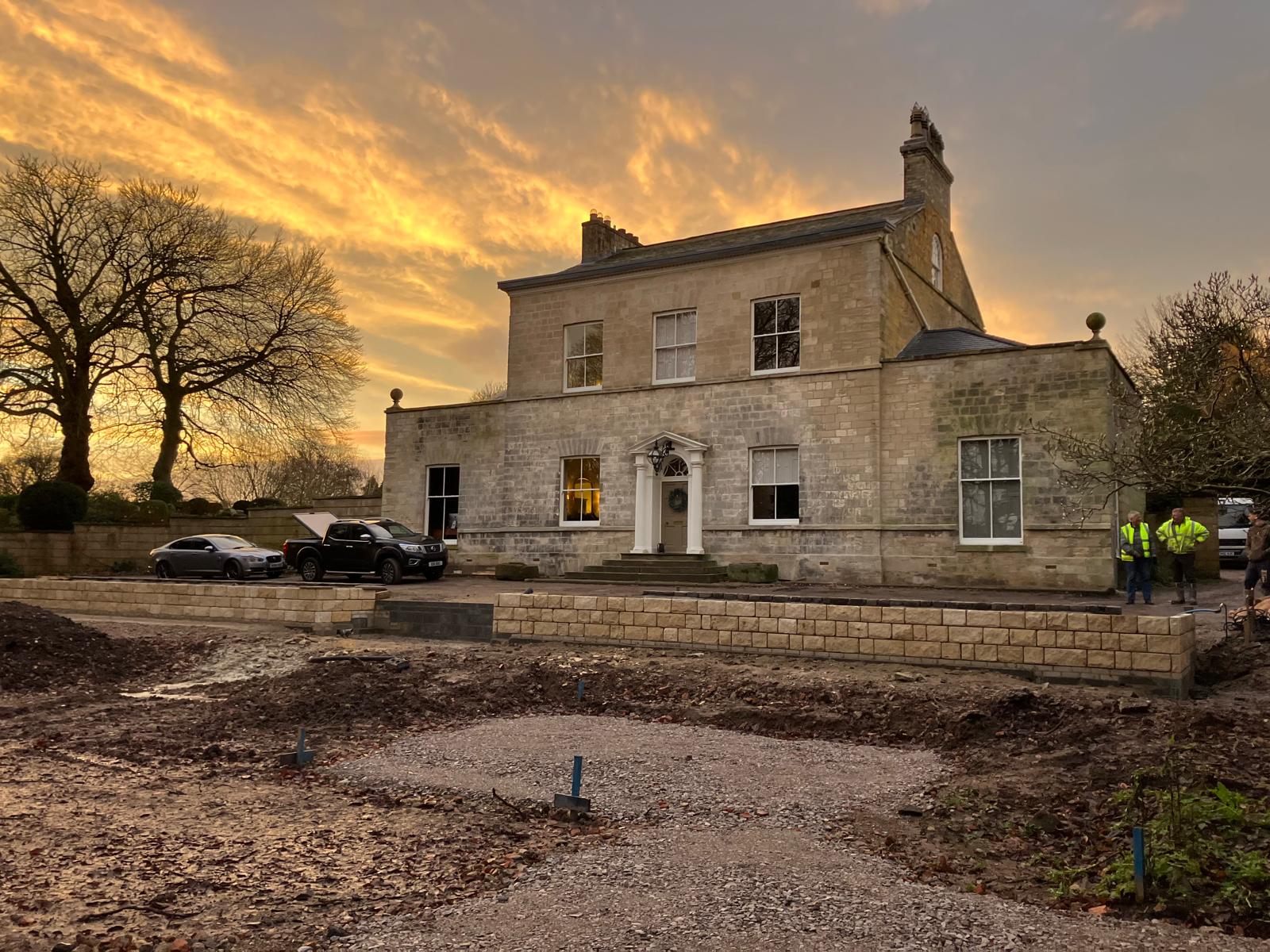
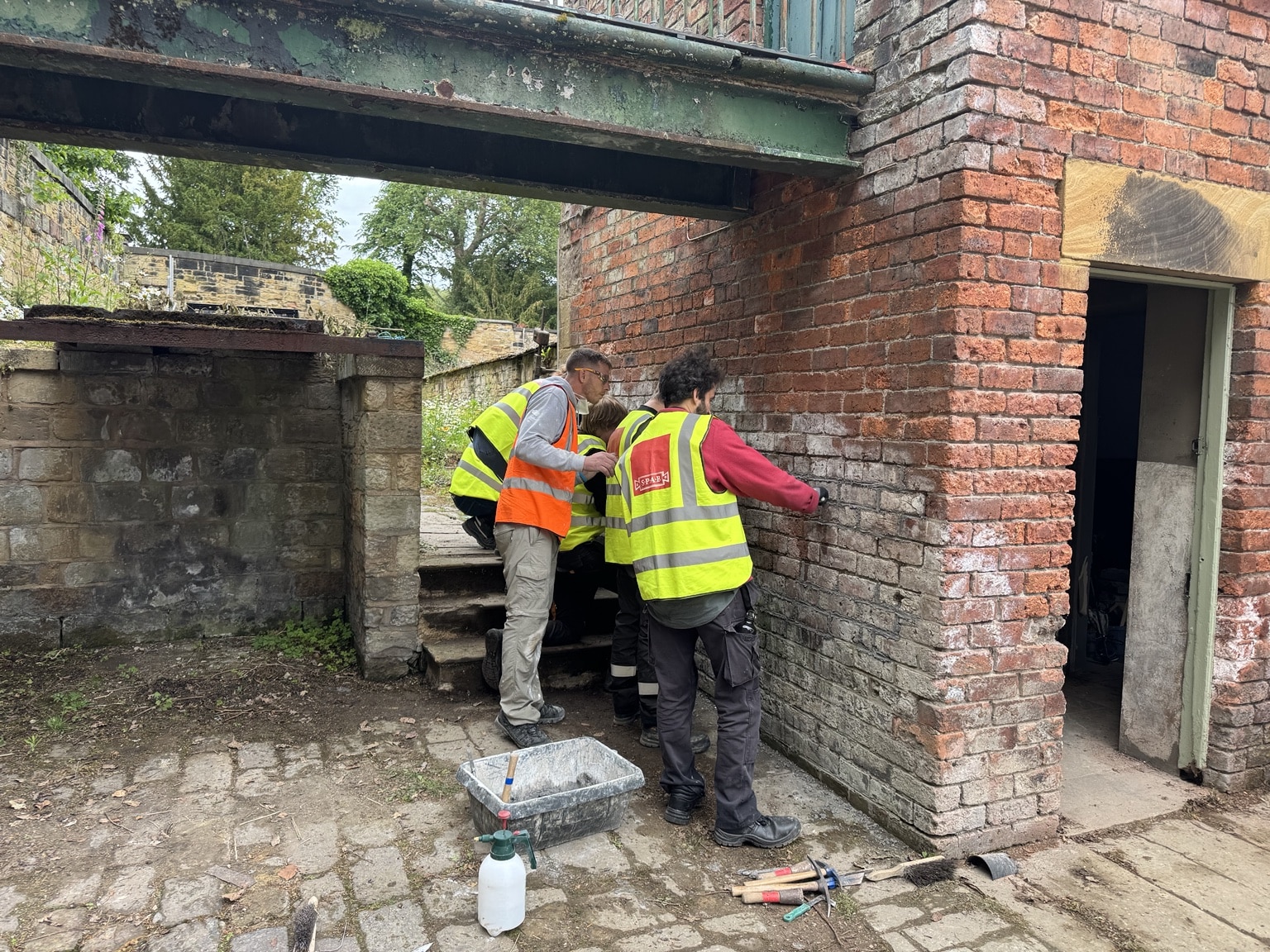
We follow the S.P.A.B approach to
all repair work.
Conservation Skills and Training
Lee Gillard
Founder and conservation mason
Lee leads the company’s conservation work across Yorkshire. A qualified bricklayer, he specialises in historic brickwork, stonework and hot-mixed lime mortars, and teaches practical conservation skills.
Nigel Copsey
Nigel works with the team as a building conservation consultant, adviser and trainer. Trained as a stonemason and carver, he teaches traditional skills and the use of hot-mixed earth and lime mortars.
2 x Award Winners
The Yorkshire Lime Company is an award-winning team specialising in the conservation and repair of historic and traditional buildings across Yorkshire. We follow SPAB principles, retaining sound original materials and using like-for-like repairs where needed.
Yorkshires Heritage Building Specialists
When you think of preserving a historic building, what comes to mind? For many people, first, think of maintaining the property’s appearance. While this is undoubtedly important, it is only one aspect of preserving a historic building. To ensure that a historic building can continue to be used for its intended purpose, it is also necessary to maintain its functionality.
One way to do this is to use hot lime mortar in traditional construction. This type of mortar has been used for centuries and has proven to be an effective method for preserving historic buildings. Hot lime mortar helps to prevent water damage, provides better support for load-bearing walls, and creates a stronger bond between bricks and stones. As a result, it is an essential part of preserving any Heritage building.
Heritage buildings are essential to our history and culture and must be preserved for future generations. At The Yorkshire Lime Company, we specialise in repairing and conserving traditional masonry structures. Our team of skilled craftsmen are experienced in working with historic buildings, and we are committed to carrying out repairs to the highest standard. We pride ourselves on our attention to detail and are dedicated to providing a professional service that meets the individual needs of our clients. If you want to learn more about our services or need assistance with preserving a heritage building, please don’t hesitate to contact us.
Building Conservation in Yorkshire
The Yorkshire Lime Company specialises in conservation masonry and traditional lime work across Yorkshire. We help owners care for listed buildings and unlisted traditional properties, preserving the materials, craftsmanship and character that make each building distinctive.
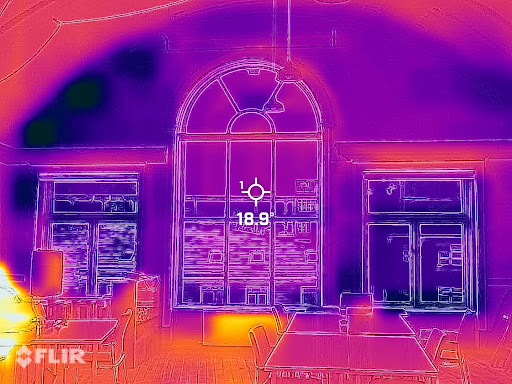
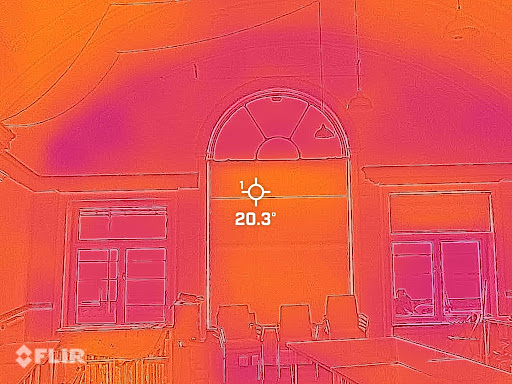
Our approach begins with understanding how a building was constructed, its condition and the effects of previous repairs. We aim to retain sound historic fabric, address the causes of deterioration and carry out repairs suited to the existing masonry. This includes considering how moisture enters, moves through and leaves the building.
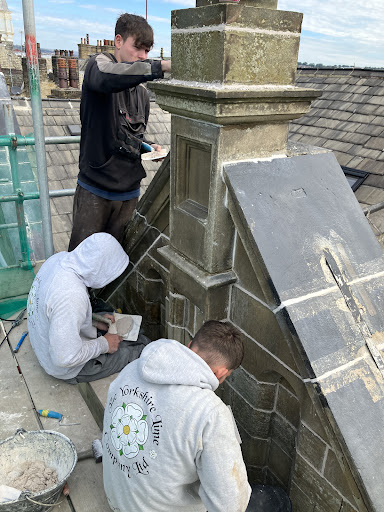
Our work includes traditional brickwork, stone masonry, hot lime pointing and shelter coats. We select compatible mortars and finishes for each repair, drawing on practical conservation experience and research into traditional materials and methods. When working on listed buildings, we follow established conservation principles and relevant guidance, respecting the building’s significance and any applicable listed building consent requirements.
From a localised masonry repair to a larger conservation project, our aim is to extend the building’s life while respecting its history.
Unique Architecture
Yorkshire’s built heritage showcases a remarkable blend of architectural styles, from medieval stone churches to Georgian townhouses and Victorian industrial buildings. This range of structures reflects the social and economic evolution of the region and highlights the unique craftsmanship of past generations. Preserving such architecture is not just about aesthetics; it’s about retaining a physical connection to our collective history.
The distinctiveness of each building – be it the local stone, the lime mortars, or traditional timberwork – requires tailored conservation techniques. Our expertise allows us to adapt our approach to suit the unique needs of every property, helping to preserve both its form and function properly for many years to come.
Maintain Community Identity
Conservation is about more than protecting buildings – it’s about safeguarding the identity and continuity of local communities. Heritage buildings serve as focal points for towns and villages, contributing to a strong sense of place and belonging. When these buildings are lost or poorly repaired, the very character of a neighbourhood can be disabled.
By maintaining these structures using traditional skills and authentic materials, we help to reinforce Yorkshire’s architectural legacy. This process helps to support the local economy, promote heritage tourism, and foster pride in community history, making it an important part of modern rural and urban planning.
Learning & Education
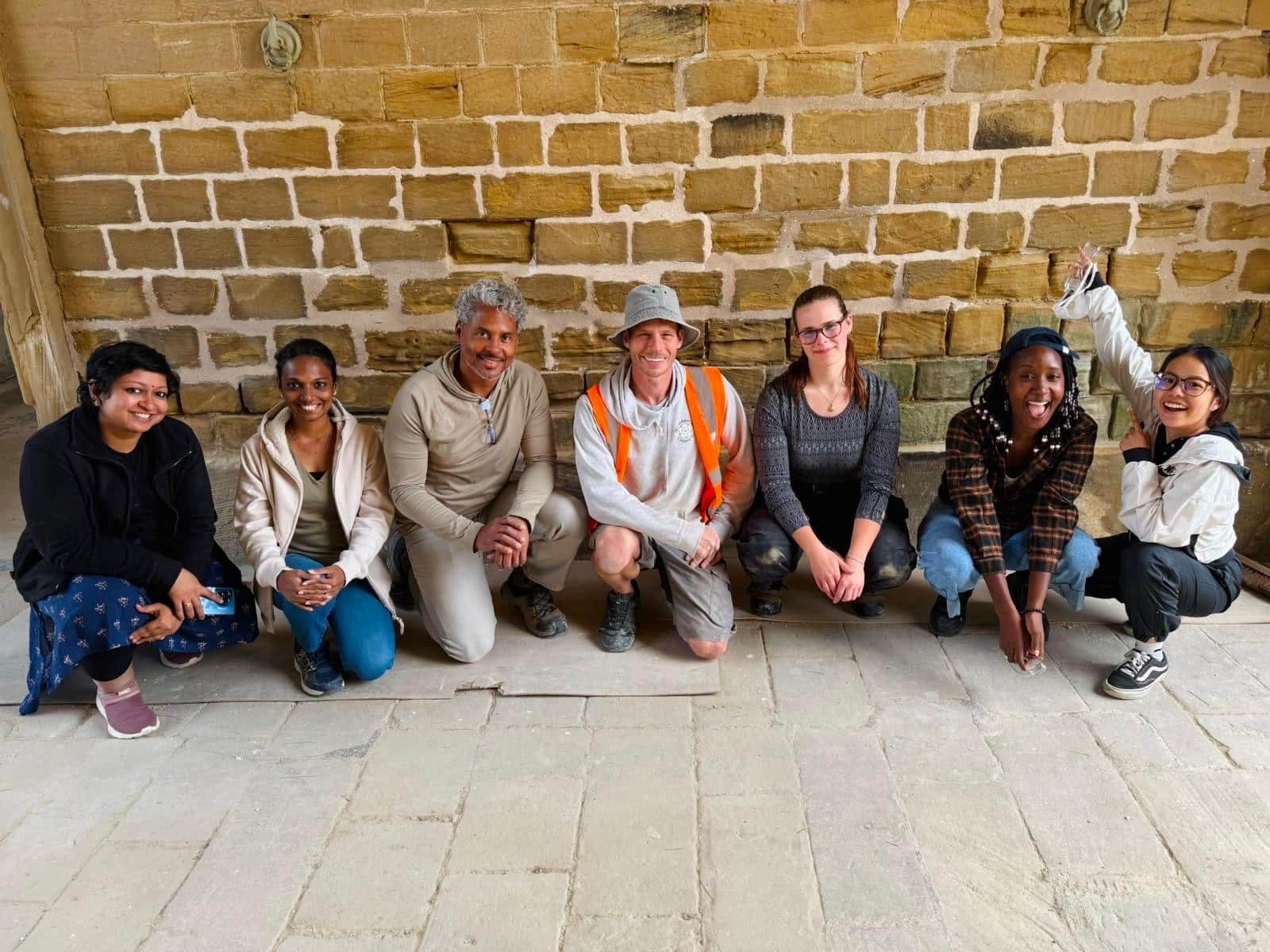
Education plays an essential role in heritage preservation. That’s why we’re passionate about sharing traditional skills and conservation knowledge with the next generation of craftspeople. Although our training programme is currently on pause while we request new premises, we continue to support community initiatives and professional development in the heritage sector.
Learning how to work with materials such as lime, earth, and stone ensures that traditional building techniques are not lost. Through workshops and site-based mentoring, we offer access to rare and valuable knowledge that is essential for the future of heritage building conservation. We also support ongoing research into traditional methods and the evolving use of conservation technologies.
What is Classed as a Heritage Property?
A heritage property is generally defined as a building, structure, or landscape that holds historical, cultural, or architectural significance. This can include stately homes, farmhouses, cottages, mills, churches, and even civic buildings or schools. These properties are often protected under planning legislation, particularly if they are designated as listed buildings or located within conservation areas.
Heritage properties are often recognised for their contribution to the historic environment, and conservation work on these buildings must follow strict guidelines to protect their character. The use of traditional methods and materials, such as hot lime mortar, is usually a requirement – not just a preference. This careful management ensures that repairs don’t result in further deterioration or a loss of historic fabric.
Yorkshire Is Full of Historic Sites
With thousands of listed buildings and protected areas, Yorkshire offers an unparalleled look into Britain’s architectural past.
- Medieval abbeys and churches
- Tudor manor houses
- Georgian terraces and stately homes
- Victorian industrial buildings and mills
- Historic barns and agricultural outbuildings
- Traditional dry-stone walls and gateposts
- Historic parks and gardens
These sites are a testament to the skilled hands and durable materials of past generations. Preserving them enables people today – and tomorrow – to visit and experience these examples of traditional craftsmanship. It also brings much-needed recognition to the importance of maintaining our built heritage.
Our Services
Lime Rendering
As building conservators, we mainly carry out small, like-for-like lime render repairs across Yorkshire, matching existing materials, texture and finish. Larger projects can be arranged with our trusted plasterer and renderer.
Lintel Installation
Lintels are responsible for supporting the weight of the roof and walls, and for providing stability to the structure as a whole. Over time, lintels can become damaged or dislodged, which can lead to serious problems. That's why it's important to make sure that lintels are regularly checked and repaired as necessary.
Heritage Skills Training
Heritage buildings are essential to our history and culture, and we must preserve them for future generations. Heritage skills training provides students and subcontractors with the knowledge and skills necessary to work on these buildings.
Lime Mortar Pointing
This process has been used for centuries and involves mixing quicklime with washed river sand and slaking it with water; this turns it into a workable hot mortar; using the material while it is hot gives the best performance.
Conservation Masonry
We are conservation masonry contractors providing traditional masonry repairs across Yorkshire. We conserve and repair historic brickwork and stonework using compatible lime mortars, retaining sound original materials and matching repairs to the existing building.
Limewashing
Exterior limewashing across Yorkshire, including hot limewash, bespoke colours and renewal of existing limewash. We assess suitable external lime render and historic masonry before agreeing preparation, samples and application.
Render Removal
Removing render is a delicate process and should be undertaken with great care to avoid damaging the underlying structure. We are professionally trained masons and provide render removal services for traditional and listed buildings across Yorkshire.
Chimney Repairs
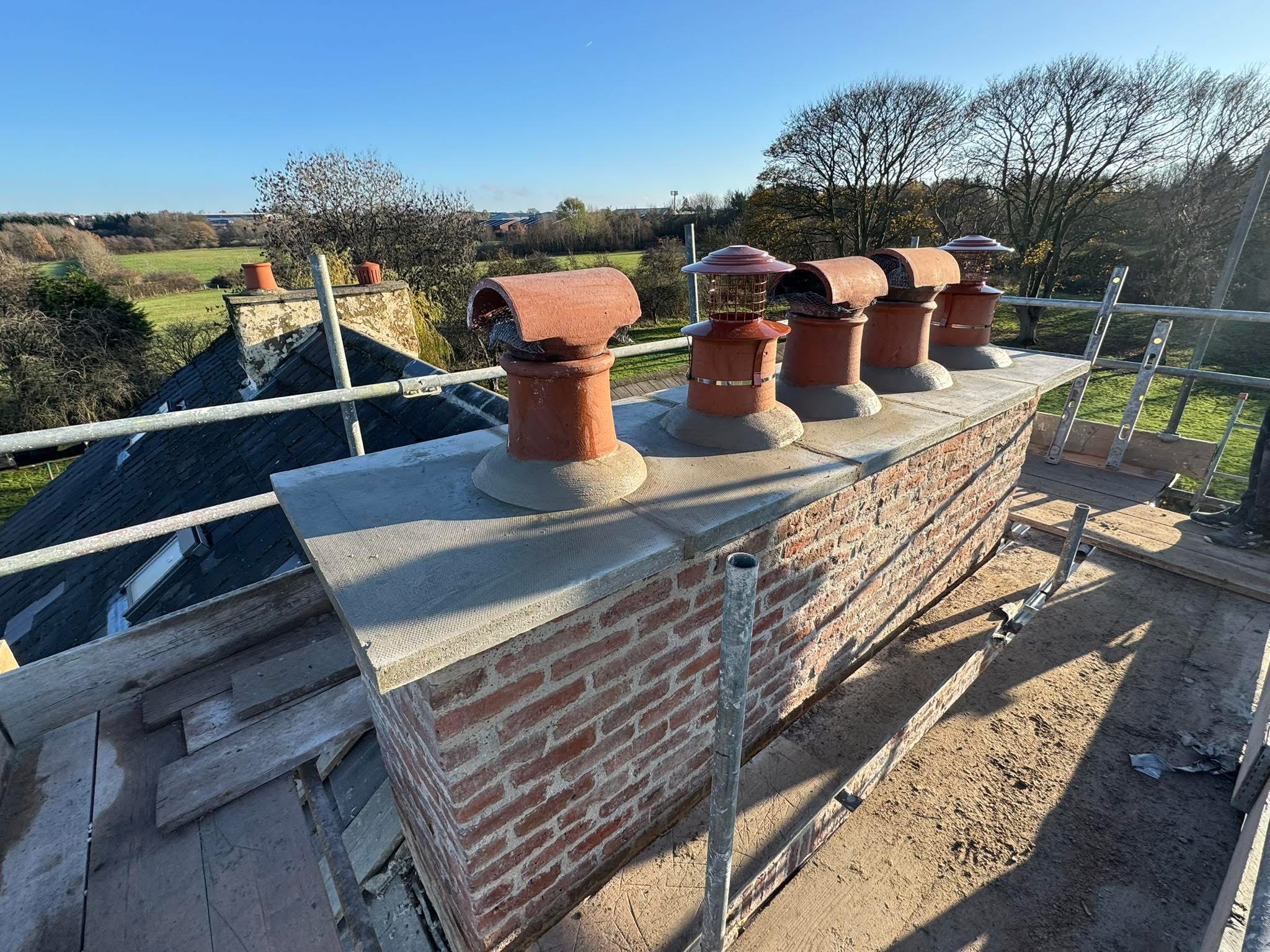
The use of hot lime mortar for the repair and maintenance of traditional chimney structures across Yorkshire is a tradition that dates back centuries. Today, this time-honored technique is still used to restore and protect these historic landmarks.
Heritage Bricklayer
As heritage bricklayers, we have the skills and experience to undertake repairs to traditional masonry structures. We work on a variety of heritage buildings across Yorkshire,
Please note: The Yorkshire Lime Company presently not offering courses as we are looking for appropriate training premises for future workshops and training days. Please fill in our contact form if you would like to submit an expression of interest and we will add you to our list. Many thanks for your understanding!
Our Latest Projects
Building conservation questions answered
Building conservation is the care and repair of older buildings in ways that preserve their historic significance, materials and craftsmanship. It starts with understanding the building and the causes of deterioration, retaining sound historic fabric and choosing compatible repairs. Our conservation masonry service applies these principles to traditional brickwork and stonework.
Listing protects an individual building for its special architectural or historic interest. A conservation area protects the character and appearance of a wider place, which may include both listed and unlisted buildings. A property can have both designations. Our heritage building services cover repairs to traditional properties across Yorkshire, with the work planned around the building and its setting.
Listed building consent is needed for alterations, extensions or demolition that affect a listed building’s special architectural or historic character. Some minor repairs using matching materials and methods may not need consent, but the scope and effect of the work matter. Check with the local planning authority before starting. A listed building survey can help identify the condition and repair needs of the historic fabric.
Many historic masonry buildings were built with porous materials that absorb and release moisture. A suitably specified lime mortar supports this moisture movement and provides joints compatible with the surrounding brick or stone. The mortar should suit the existing construction, exposure and condition. Read about our hot lime pointing and lime mortar repairs.
Repairs should begin with an assessment of the building, the cause of the problem and the materials already present. Priorities include maintaining roofs and rainwater goods, retaining sound masonry and repairing defective areas with compatible materials. Unnecessary replacement can remove historic fabric. Our traditional masonry repairs are planned around these conservation principles.
Damp can result from leaking roofs or gutters, defective drainage, high ground levels, plumbing leaks, condensation or repairs that restrict drying. Several causes may occur together, so a damp patch alone does not establish the diagnosis. We investigate how moisture enters, moves through and leaves the building before recommending damp solutions for traditional buildings.
Contact The Yorkshire Lime Company for Heritage Building Conservation
If you own or manage a historic property and want to ensure its preservation, don’t hesitate to reach out to our expert team. We bring decades of experience, specialist knowledge, and a genuine passion for heritage to every job. Whether you need a full restoration or are looking for support on a single aspect of a project, we’re here to help.
Our services are available across the whole of Yorkshire. Please get in touch via our contact page to request a site visit, consultation, or quotation. We are committed to delivering conservation work that respects the past and protects the future.
What our customers are Saying
The front wall looks great too.
Would I use Yorkshire Lime again? - absolutely.
One star off for mix up over start dates, not for any work issues.
Lee surveyed @ advised best option for work
Gage, Harry & Archie completed the work
Limestone mortar pointing, repair lintel wear & tear on our grade 2 listed building
Gage led the work and step by step talked through each stage of the job. Harry & Archie worked well as a team with Gage
The team came at agreed times very polite and tidied as they went and after the work
Big thanks to Shannon @ the office who sorted out booking the work. Communicated throughout the job any amendments to times & tweeks around nature of what need to be done
We certainly will use Yorkshire Lime Company for future work required @ our property
John & Shamsi Sunshine
Elsecar Barnsley
While on site, Lee was punctual and demonstrated strong knowledge of lime materials and a clear understanding of the SPAB approach to working on listed buildings and structures.
We are very pleased with the results and would be happy to recommend Yorkshire Lime for conservation and restoration work to heritage assets.
Latest From the Blog
Erasing History: The Disappearing Art of Traditional Lime Mortar Pointing
- Lee Gillard
- November 22, 2026
- Lime mortar pointing
How Long Does Lime Mortar Pointing Last?
- Lee Gillard
- December 15, 2025
- Lime mortar pointing
Why Use Lime Mortar for Pointing
- Lee Gillard
- December 12, 2025
- Lime mortar pointing
How to Remove Graffiti and Why Professional Help Is Essential
- Lee Gillard
- December 10, 2025
- Graffiti removal
What Does DOFF Cleaning Stand For?
- Lee Gillard
- December 8, 2025
- Uncategorized
Lime Mortar Pointing Yorkshire: Preserving Traditional Buildings
- Lee Gillard
- October 13, 2025
- Lime Motars