DOFF is the product name used by Stonehealth for its superheated-water cleaning system. For a building owner, the useful question is what the system does, how it can be controlled and whether a trial supports using it on the particular surface.
We use DOFF as one possible method within conservation-led cleaning. It does not carry blanket approval for every heritage material, and its name does not guarantee a damage-free result.
How the DOFF Steam Cleaning Process Works
The system heats water and delivers superheated water and steam through a controlled nozzle. Output is adjustable; the maximum operating temperature is a capability, not a setting to apply automatically to a fragile surface.
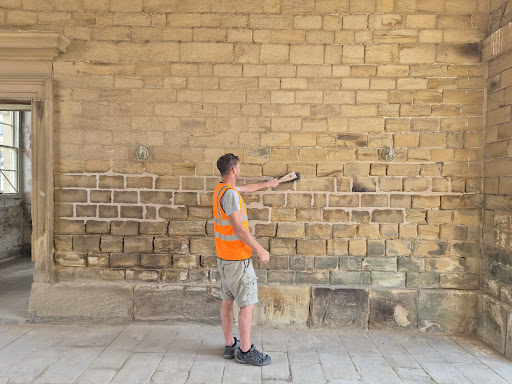
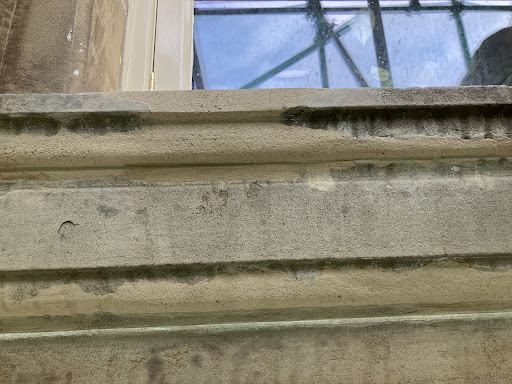
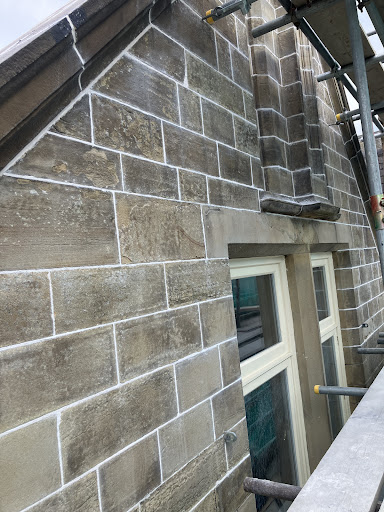
Temperature, pressure, distance and dwell time work together. A sample should be inspected after drying for changed texture, colour, lost grains and damaged joints. Weak coatings and friable masonry can be harmed by heat and water.
Water-only operation can avoid adding a cleaning product where none is needed. It still uses energy and creates runoff, and the removed deposit may need controlled collection. Some coatings require a suitable additional product.
Why DOFF Cleaning Works on Yorkshire’s Delicate Masonry
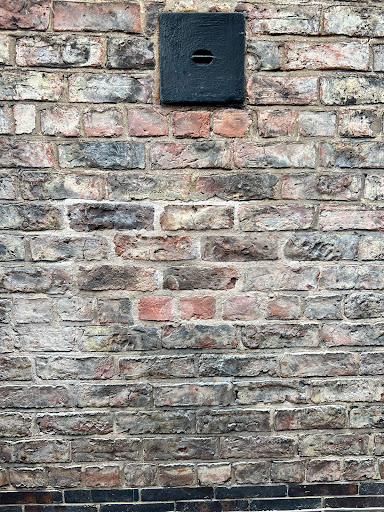
Stone, brick, mortar and render vary in porosity, mineral composition and weathering. A sample that works on one area may not represent another. Identify changes in substrate and earlier repairs before extending treatment.
DOFF may soften certain biological deposits and paints, but complete removal is not always possible or desirable. A remaining stain can be preferable to loss of historic fabric. Persistent wetting also needs correction if regrowth is to be reduced.
Why DOFF Cleaning Needs a Conservation Specification
Conservation practice starts with a reason to clean. Historic patina is not automatically dirt to remove. Investigate whether the deposit is harmful, conceals an important defect or prevents necessary repair, and compare the option of doing nothing.
On a listed building, agree the consent position and any trial requirements with the local planning authority. A contractor’s equipment or a description such as conservation-approved does not replace listed building consent.
What Materials Can the DOFF System Clean?
The material’s condition determines what can be attempted. Delaminating stone, weak joints and historic paints need particular caution. Trial settings and stop criteria should be recorded and followed.
If hot water is ineffective, consider whether a suitable conservation paint-removal product, poultice, manual method or carefully trialled TORC process is justified. TORC has an abrasive action; all these methods need material-specific assessment.
How to Judge a Cleaning Result
A good result retains significant original fabric and limits unwanted change. Judge the dry trial, not just an immediately wet surface, and do not increase aggression simply to eliminate every trace of staining.
Keep an agreed specification, photographs and a record of the surface and settings used. Repair defective water-shedding details and monitor subsequent condition. Cleaning is not a replacement for maintenance.
Choosing a DOFF Operator
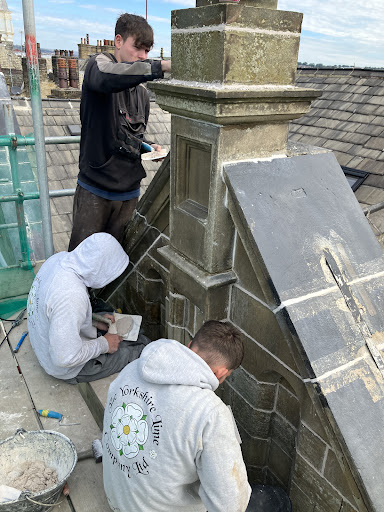
DOFF is a system name, not a measure of an operator’s conservation judgement or a universal approval label. Choose a contractor who can explain the purpose, limitations and trial evidence for the proposed work.
Contact The Yorkshire Lime Company
To discuss a deposit or failed coating, contact The Yorkshire Lime Company. Photographs, the building’s status and information about previous treatments help us plan a suitable assessment.
We will explain what needs investigation and whether cleaning is appropriate. Our aim is to preserve the material and its history, not to promise that old stone can always be made to look new.