Lime mortar has long been one of the most important traditional building materials used throughout Britain. Before the introduction of cement mortar and modern construction systems, lime was the foundation of brick walls, stonework and almost all historic buildings. Today, many restoration projects ask the same questions: why use lime mortar for pointing, and why use lime mortar for pointing listed buildings when cement-based mortars appear stronger and more convenient? The answer lies in the material itself. Lime is a natural material designed to work with older buildings, offering flexibility, vapour permeability and long-term protection that modern alternatives cannot match.
Understanding the performance of lime mortar begins with recognising that historic buildings were constructed using natural hydraulic lime, non hydraulic lime mortar, lime putty and other natural materials. These mortars allowed moisture to pass through the wall, enabling a breathable building structure. Cement, in contrast, forms a rigid, impermeable binding agent that traps moisture. For older buildings, this shift from vapour permeable materials to cement based mortars can lead to frost damage, penetrating damp, mould growth and the gradual failure of the masonry itself.
Why Use Lime Mortar for Pointing Brick and Stone Walls
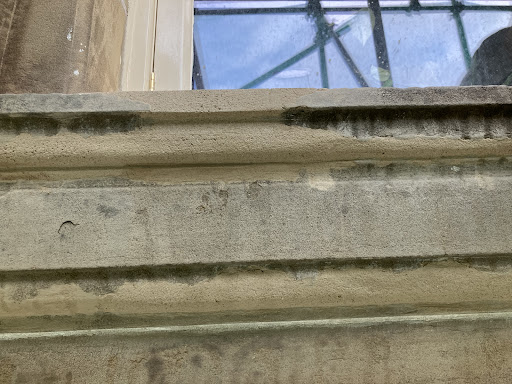
Pointing plays a crucial role in maintaining structural integrity. Mortar joints act not only as bonding agents but as moisture regulators. When using lime mortar, the wall continues to allow natural evaporation and water vapour movement. Cement mortar restricts this movement, creating pressure within the bricks and stone. Over time, this imbalance leads to cracked masonry, spalled surfaces and issues that cannot easily be reversed.
Hydraulic lime mortar and natural hydraulic lime are often chosen for external walls exposed to severe weather conditions. Lime mortar sets through carbonation, absorbing carbon dioxide from the atmosphere, while hydraulic lime sets more quickly due to natural impurities. Both types offer greater flexibility than portland cement and protect the bricks rather than forcing structural stress into them. Non hydraulic lime, such as lime putty mortar, suits internal walls, sheltered façades and restoration projects where closely matching the original mortar is essential.
Using lime mortar maintains the character of older buildings. Mortar joints created with non hydraulic lime and earth mortar can move and adapt to weather conditions, reducing the risk of cracking. Brick walls built using traditional building materials depend on mortar that behaves as the original mortar once did. Lime mortar helps preserve this balance, ensuring that the building remains stable, breathable and aesthetically consistent.
Why Use Lime Mortar for Pointing Listed Buildings
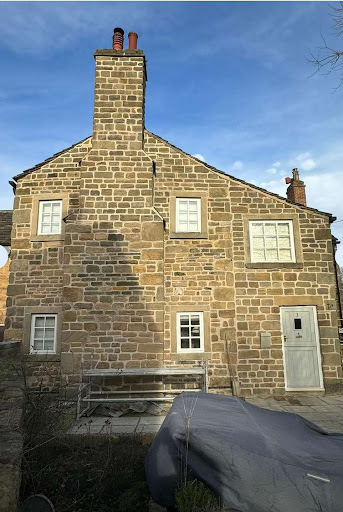
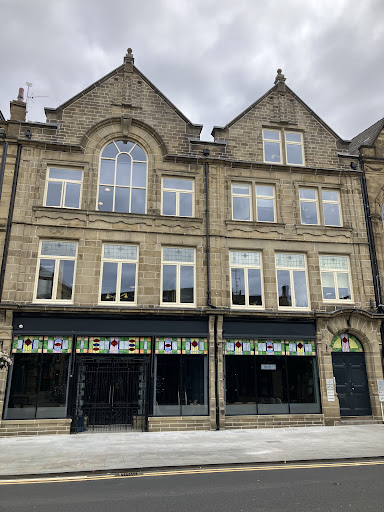
When considering why use lime mortar for pointing listed buildings, the focus becomes even clearer. Listed structures rely on traditional building methods and materials. Lime render, lime plastering and lime pointing formed part of the original construction. Introducing modern building materials such as cement or pre mixed mortar undermines the breathability and flexibility that these buildings depend on.
Listed buildings often contain porous masonry. This means any new mortar must work with, not against, the existing material. Cement mortar traps moisture, causing rising moisture levels, frost resistance issues and decay in bricks or stone. Lime, being vapour permeable, allows moisture to move freely through the wall. It also acts as a sacrificial layer, taking on weathering so the masonry does not suffer the damage. Cement does not offer this benefit. Instead, it forces deterioration into the stone or old brick.
The use of cement can also create visible issues. The top layer of masonry may take on a different colour due to chemical reactions. Hard edges can form around the mortar, contrasting sharply with softer natural materials. These changes produce an uneven appearance, and the rigidity of cement can cause the bricks around it to break down. Lime mortar avoids these problems entirely, making it an important consideration for heritage buildings and period properties that require sympathetic restoration.
How Lime Protects Older Buildings Through Breathability
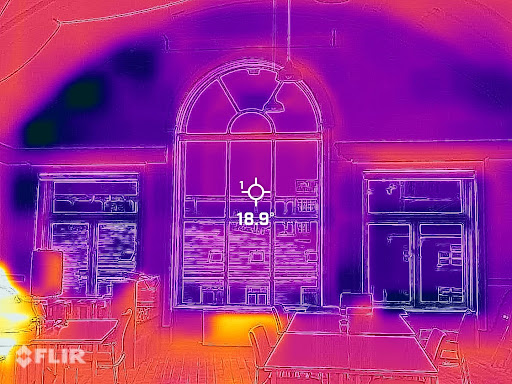
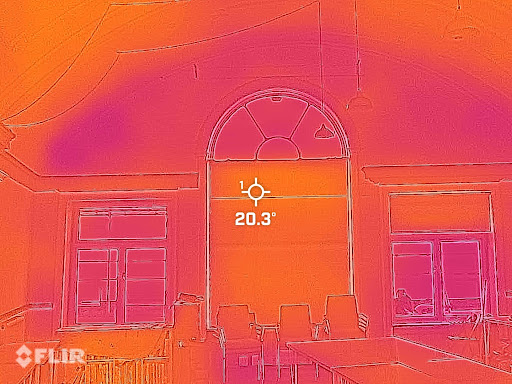
Breathability is central to the way older buildings function. Lime allows moisture to evaporate naturally. Cement does not. When moisture becomes trapped inside the wall due to cement pointing, the drying process slows, salts crystallise and deterioration accelerates. Lime helps prevent cracking because it expands and contracts naturally, accommodating weather conditions and temperature changes. Cement reacts differently, forcing stress into surrounding bricks and compromising the structure.
Lime mortar production also contributes positively to the environment. While cement production generates high levels of carbon dioxide, lime absorbs CO₂ during carbonation. This makes lime significantly more environmentally friendly and closer to carbon neutral. For building project specifications that consider ecological impact, lime mortar provides both performance and sustainability.
Using Lime Mortar Correctly During Pointing Work
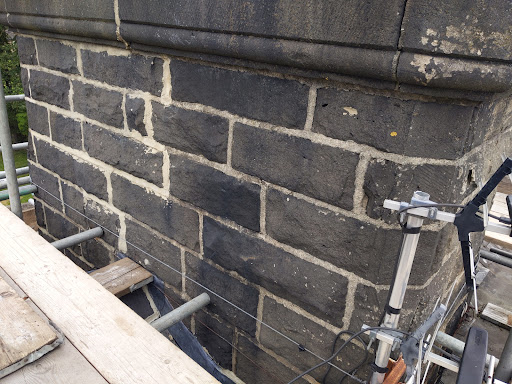
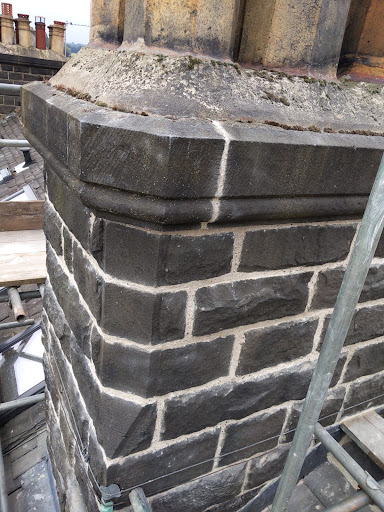
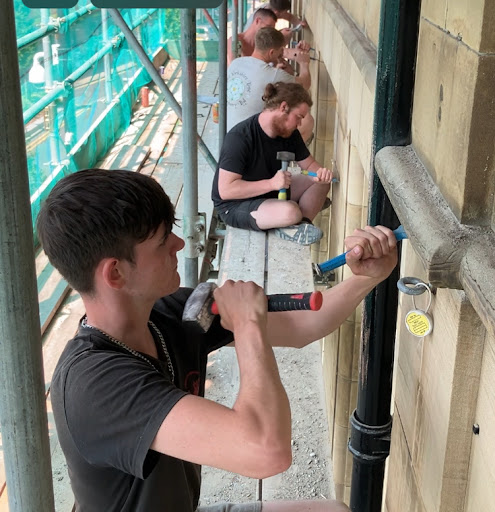
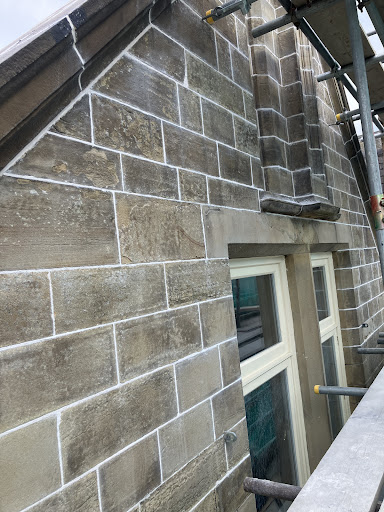
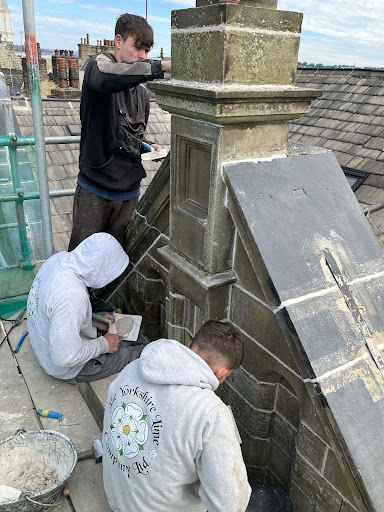
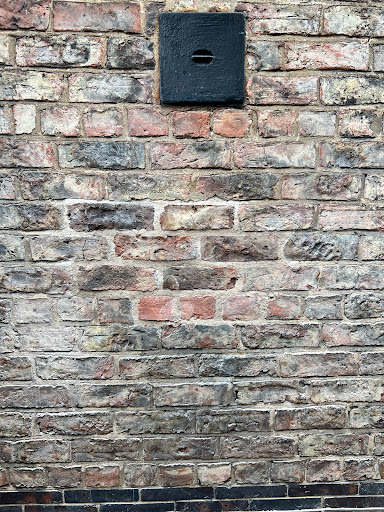
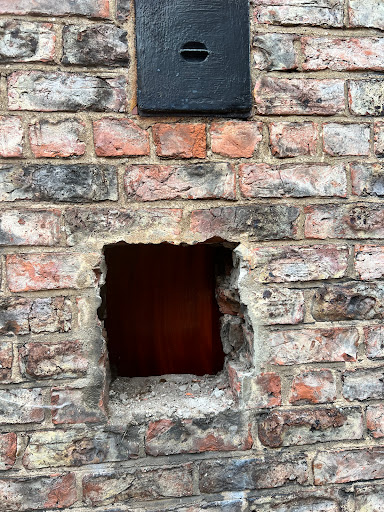
Using lime mortar requires careful preparation. Existing mortar joints must be adequately prepared by removing excess mortar and loose material without damaging the bricks. Once prepared, fresh mortar can be applied in small quantities to allow proper setting. The use of a churn brush helps finish the joints, ensuring the new mortar blends seamlessly with the masonry.
Lime can be mixed by hand or in a cement mixer, and many contractors opt for pre mixed systems or dry silos for consistent results. Lime products can be used alongside lime render, earth mortar and lime plastering. When carried out by trained professionals, lime pointing produces a strong, flexible, breathable and visually consistent finish that supports the wall rather than restricting it.
Why Lime Remains the Best Choice for Restoration Projects
Restoration projects demand materials that respect the building’s history. Lime aligns perfectly with this requirement. It works with other materials found in heritage buildings and maintains the natural behaviour of porous masonry. Lime mortar helps regulate moisture, prevents frost damage, reduces penetrating damp and protects structural integrity. It is the only appropriate choice for maintaining old brick, stone and historic fabric.
Cement, by contrast, is unsuitable for older buildings. Its rigidity, lack of breathability and incompatibility with natural materials create long-term issues. Modern buildings designed around cement behave differently from historic buildings designed around lime. For this reason, lime remains essential for preserving the authenticity and stability of listed properties.
Contact The Yorkshire Lime Company
If you are considering lime pointing for your property or require expert advice on why lime mortar is essential for your building, The Yorkshire Lime Company is here to help. We specialise in the use of traditional building materials and conservation-led techniques tailored to both historic buildings and period properties. Whether you are working on existing mortar joints, planning restoration projects or need guidance on the correct mortar for your wall, our team can provide a professional assessment and the highest standard of workmanship.
To discuss your building project or arrange a site visit, contact The Yorkshire Lime Company today. We are committed to preserving Yorkshire’s built heritage through careful, informed and authentic craftsmanship.