Masonry Repairs Brighouse
Masonry Repairs in Brighouse
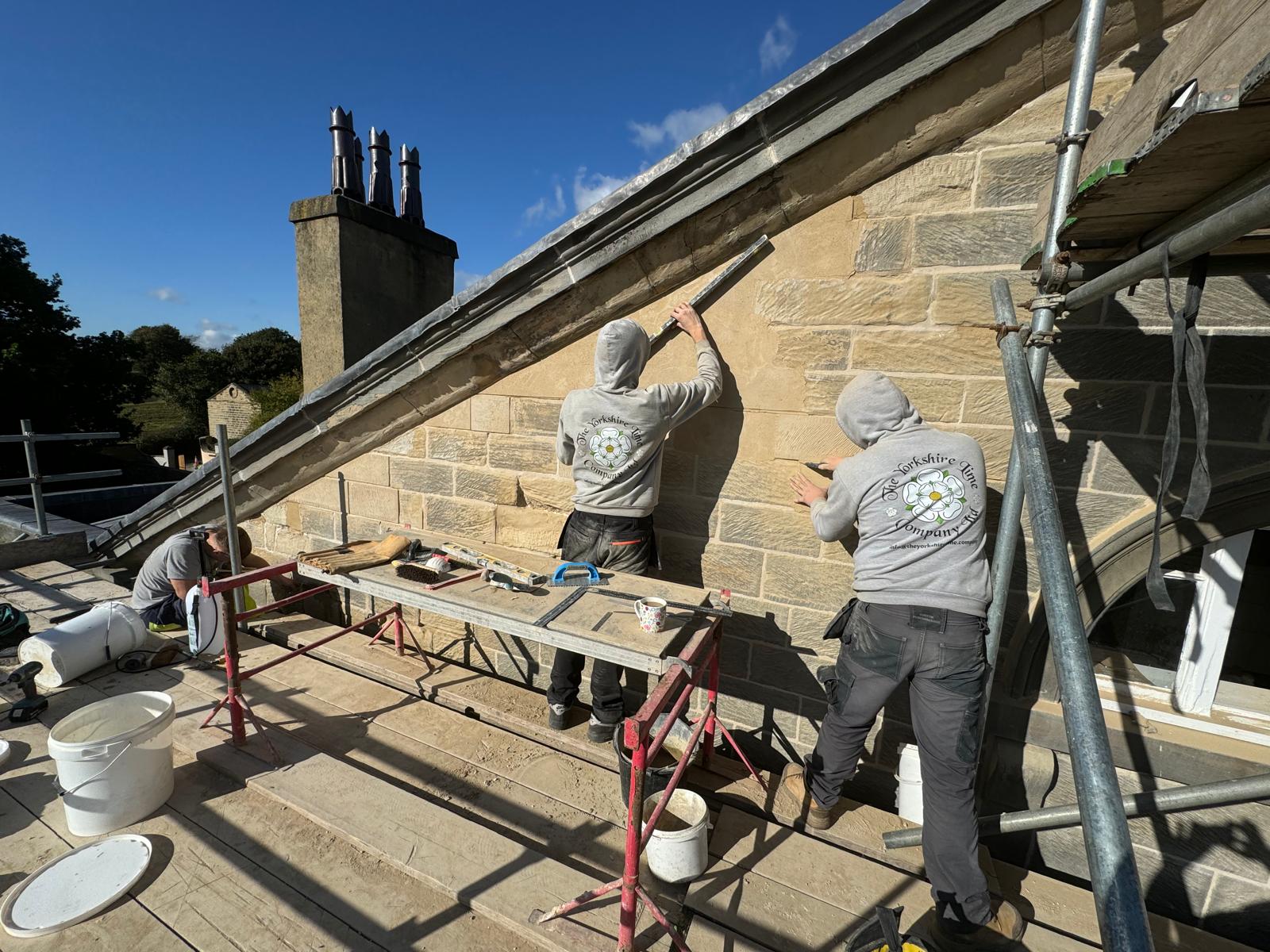
We carry out traditional masonry repairs in Brighouse and nearby communities. Work may include local stone repairs, carefully matched replacement, repointing, hand tooling and rebuilding where needed. We assess the masonry and existing materials before recommending a method, with the aim of retaining sound original fabric.
Stone fixing, laying, hand tooling and masonry repairs.
For historic stonework, repair choices depend on the type and condition of the stone, the construction and the cause of deterioration. A damaged stone does not automatically need replacing; where suitable, a local repair may retain more of the original fabric.
We discuss the options, access and extent of work before proceeding. For masonry repairs in Brighouse, please contact us with photographs and the property location.
Assessing Masonry in Brighouse
A masonry assessment starts with the visible condition of the wall and the details around it. We look for defects such as open joints, loose or damaged units, movement, staining and problems with weathering details, then consider possible causes.
The age and construction of a building, the materials used and its exposure all inform the repair decision. A repair mortar or replacement stone should be selected to suit the existing masonry; harder or less permeable materials are not automatically appropriate.
We explain what we observe and discuss whether local repair, repointing, replacement or rebuilding may be suitable. The extent of intervention depends on the building and the condition found.
Types of Masonry Repairs in Brighouse
Our masonry repairs in Brighouse cover traditional brick and stonework. The work is planned around the existing construction and the condition of the masonry, with a focus on retaining sound material and limiting repairs to what is needed.
Explore the repair types below, or see our main masonry repairs service for a wider overview.
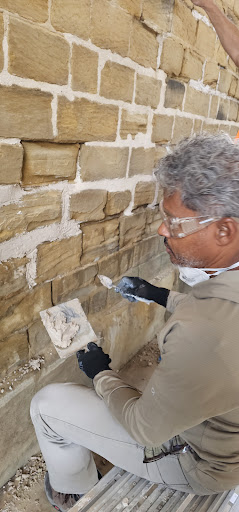
Stone surface repairs involve removing pollution and crusts that form on masonry surfaces. Surface repairs also involve masonry consolidation. The consolidation of masonry is where a matching repair mortar is moulded to create a new arris or detail where the weather has eroded the stone. A shelter coat is a lime and stone dust mixed solution applied to the stone surface to protect it from further weathering. Limewash is another form of surface protection that can be used for brick and stone repairs. Stone masonry repairs should be carried out by a heritage trained stonemason using traditional methods and materials. The first step in any repair is to survey the damage to the stone. Carrying out a survey will help determine the damage’s cause and the best way to repair it. one
Once the masonry survey is complete, our stonemason will determine the best way to preserve the stone. One way to do this is by cleaning the stone surface to remove any built-up gypsum and grime. Another way to repair a stone surface is to consolidate any areas of decay after weathering. This is done while repairing any cracks or breaks in the masonry. Once the repair work is complete, a shelter coat or limewash can be applied to protect the fixed surface from further weathering. Stonemasons use traditional methods and materials for stone repairs. Using a heritage trained professional will help ensure that your stone masonry lasts many years.
Over time, stone walls can show signs of erosion, often caused by weathering or using non-porous materials like cement-based mortars and renders. When symptoms of deterioration start to appear, stone wall repairs are necessary. These wall repairs can involve replacing the stone, rebuilding the wall, or repointing the wall. If you are considering repairing your stone wall, it is crucial to use a stonemason who understands how to use compatible materials. Otherwise, you may end up with more damage than you started with. A professional mason can assess the damage and recommend the best action for your situation. So, if you’re stone wall needs repair, contact The Yorkshire Lime Company.
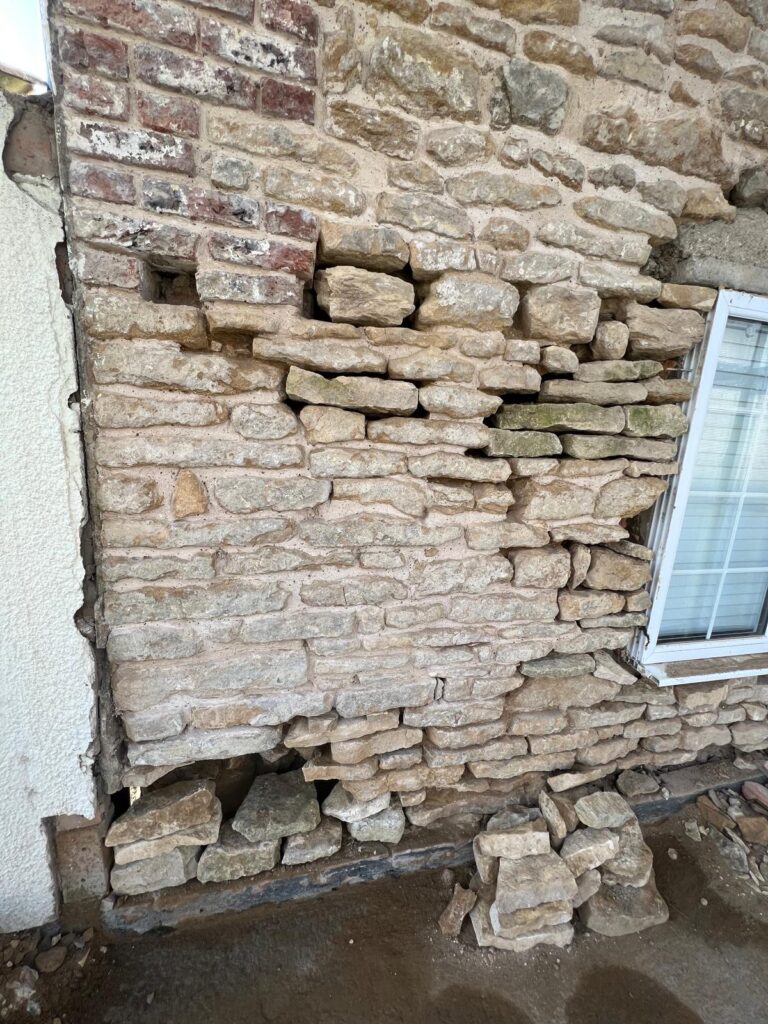
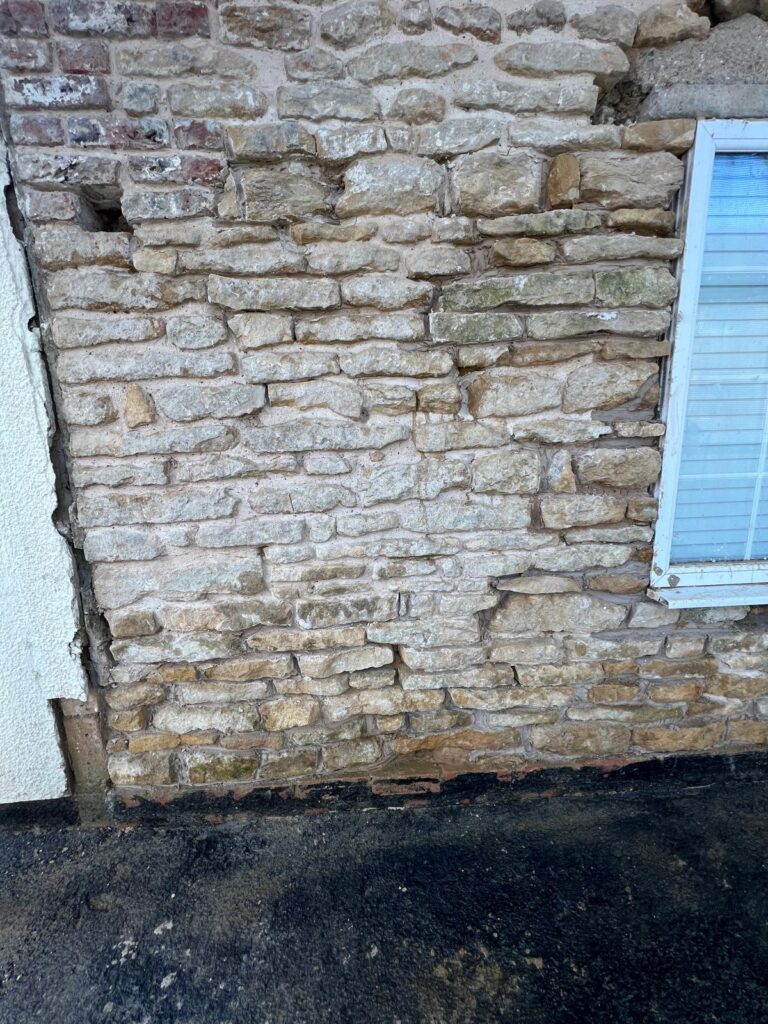
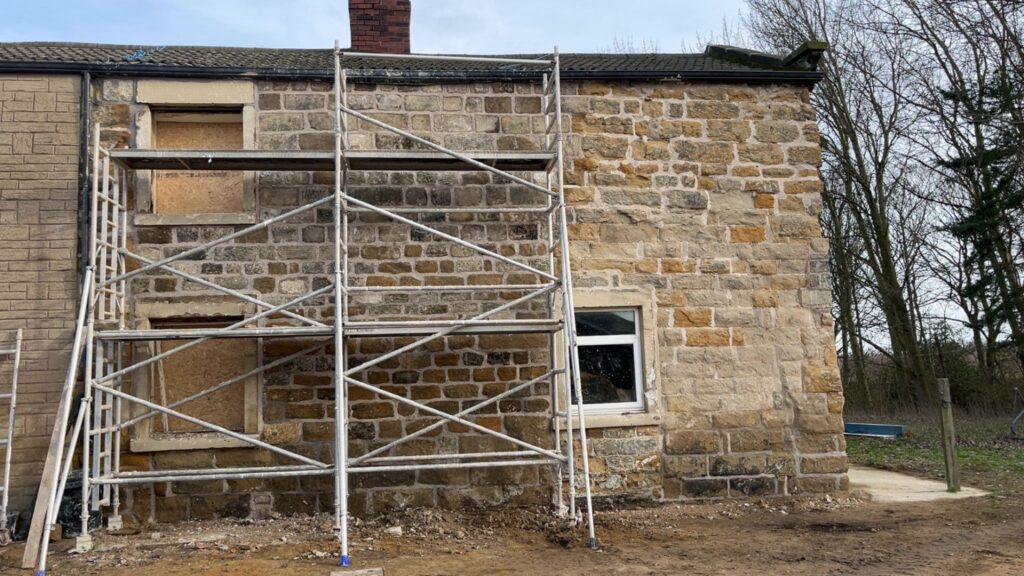
Mudstone Window Reveal Repairs in Winterton
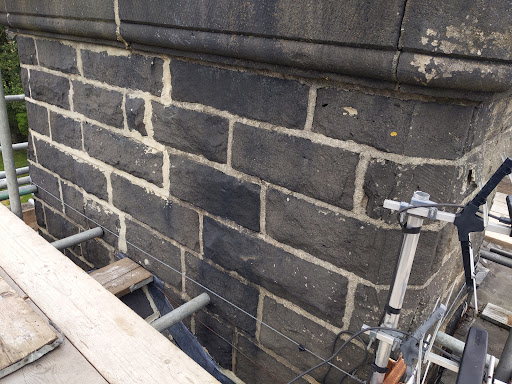
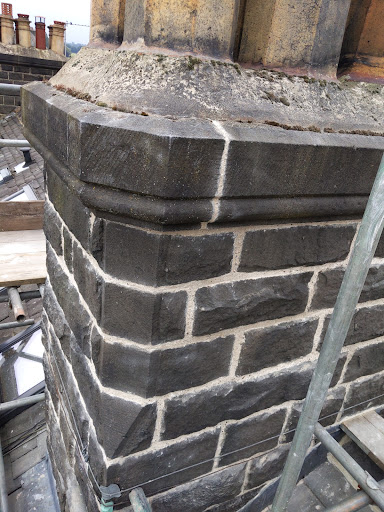
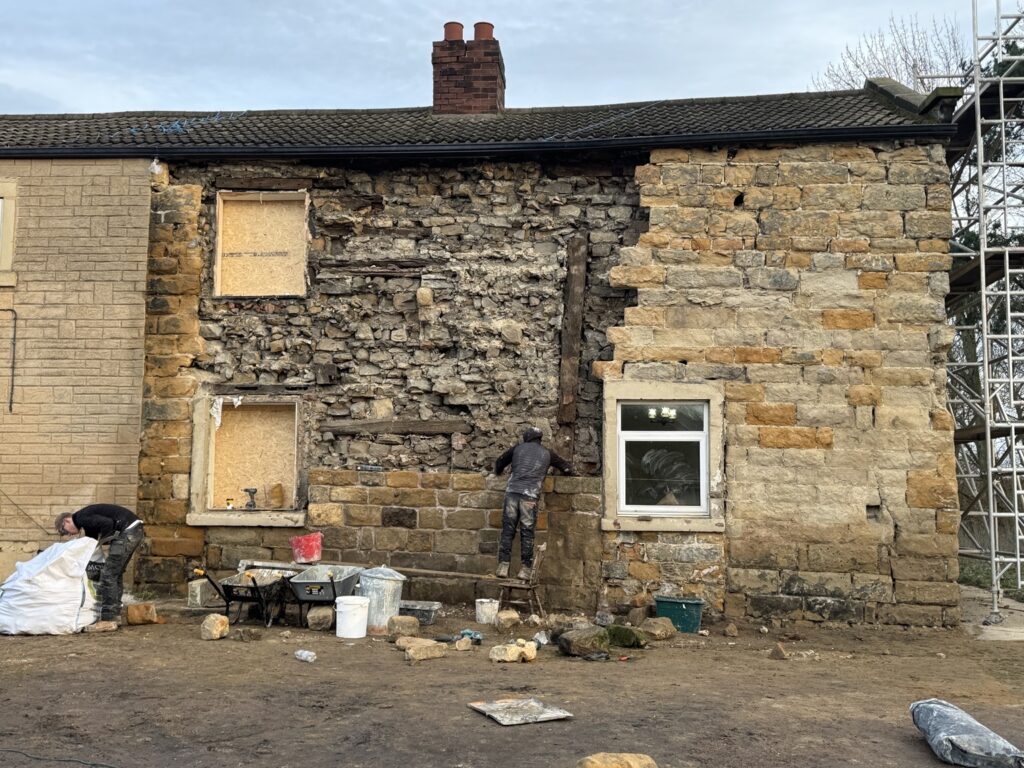
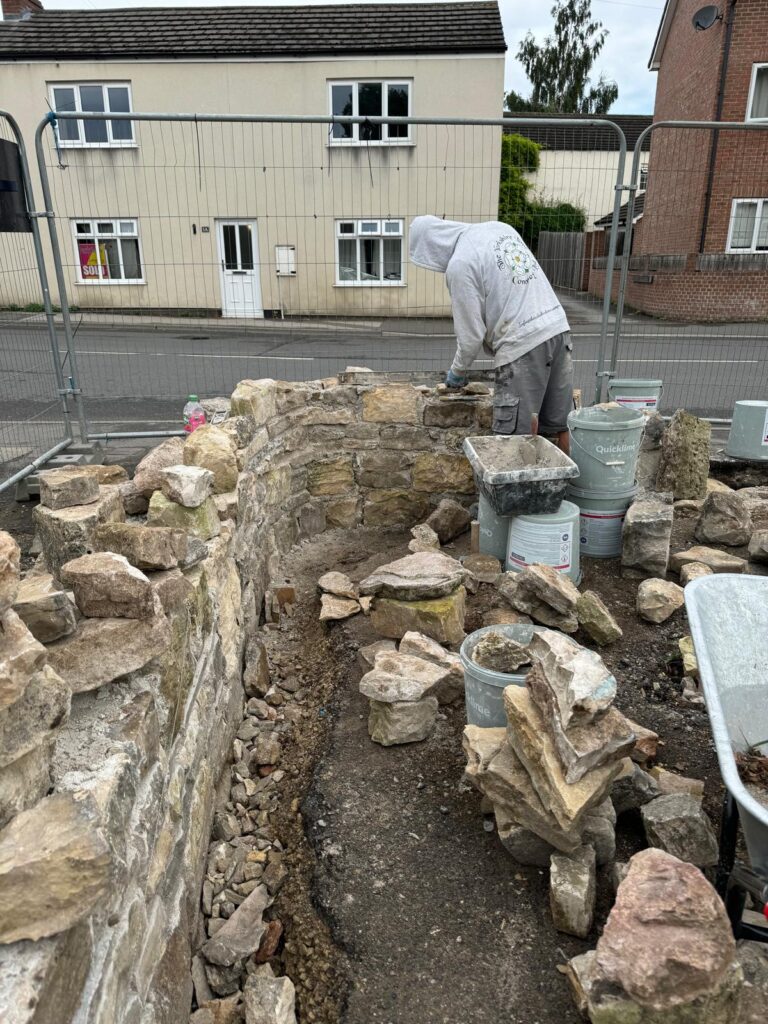
Stone Wall Rebuilding at Monkroyd Farm, Pontefract
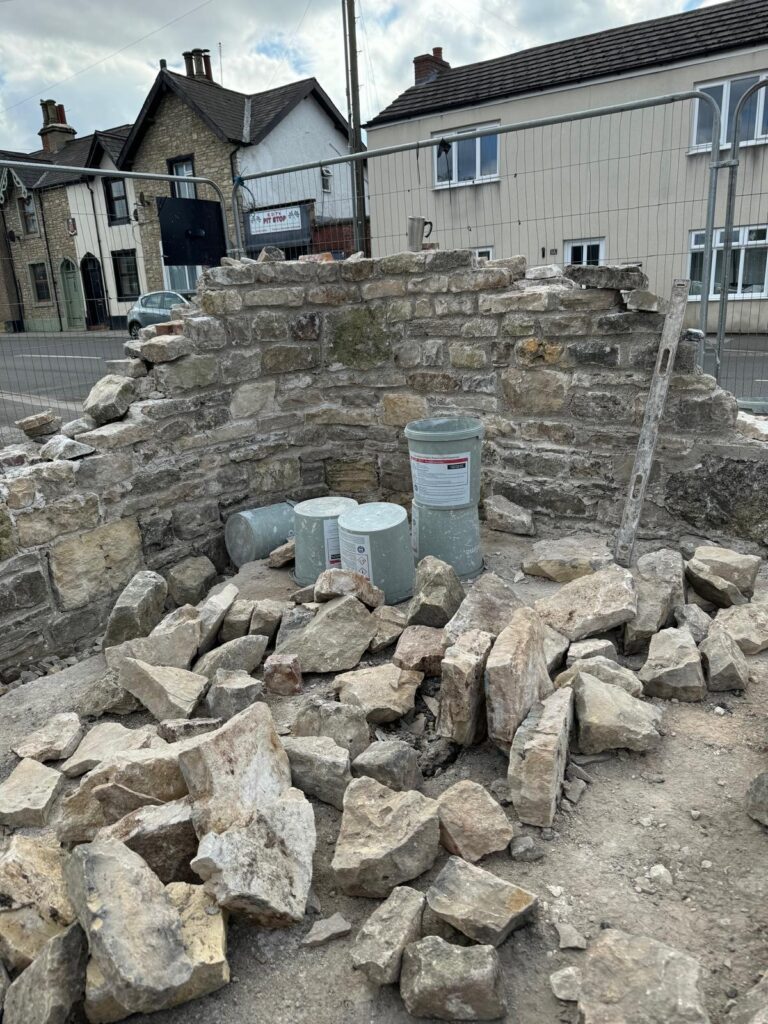
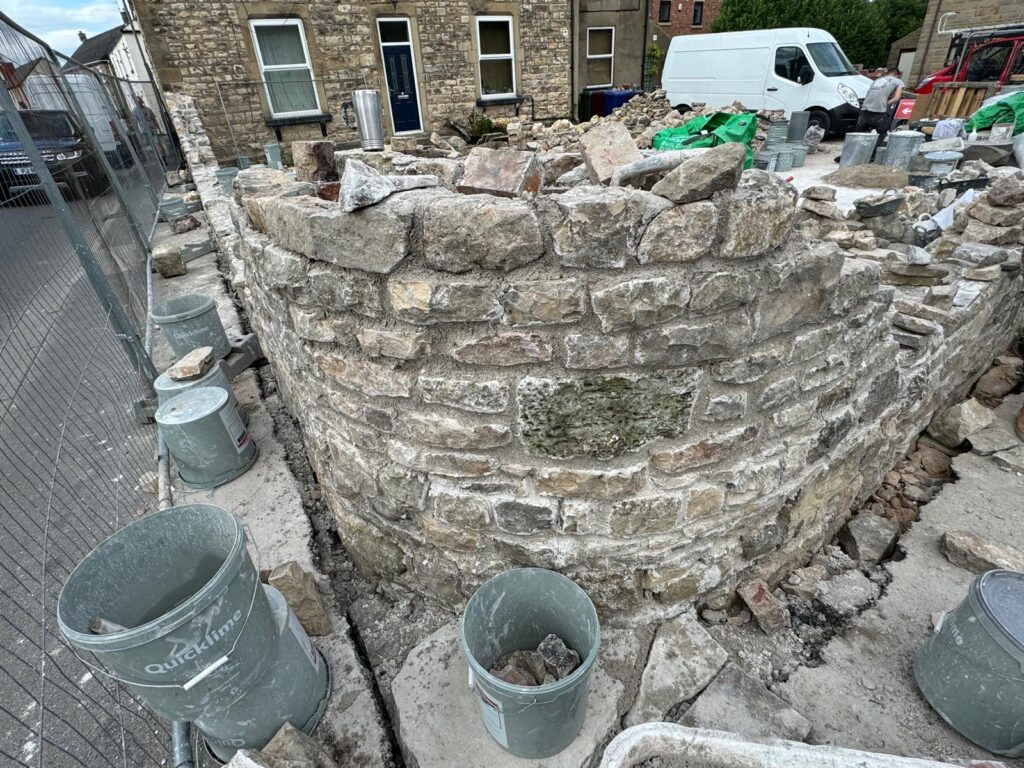
Limestone Wall Building in Sherburn in Elmet
Replacement is usually only necessary when the damage is too extensive to be repaired. Stone restoration is a delicate process that must be done carefully to avoid further damage. However, it can create a beautiful and long-lasting surface when done correctly. Wall repairs are just one example of the type of work that a stonemason might undertake. Other common repairs include restoring stone steps, repairing stone walls, and fixing stonework damaged by weathering or pollution. No matter what the project entails, stone restoration is invaluable in preserving the history and beauty of our built environment.
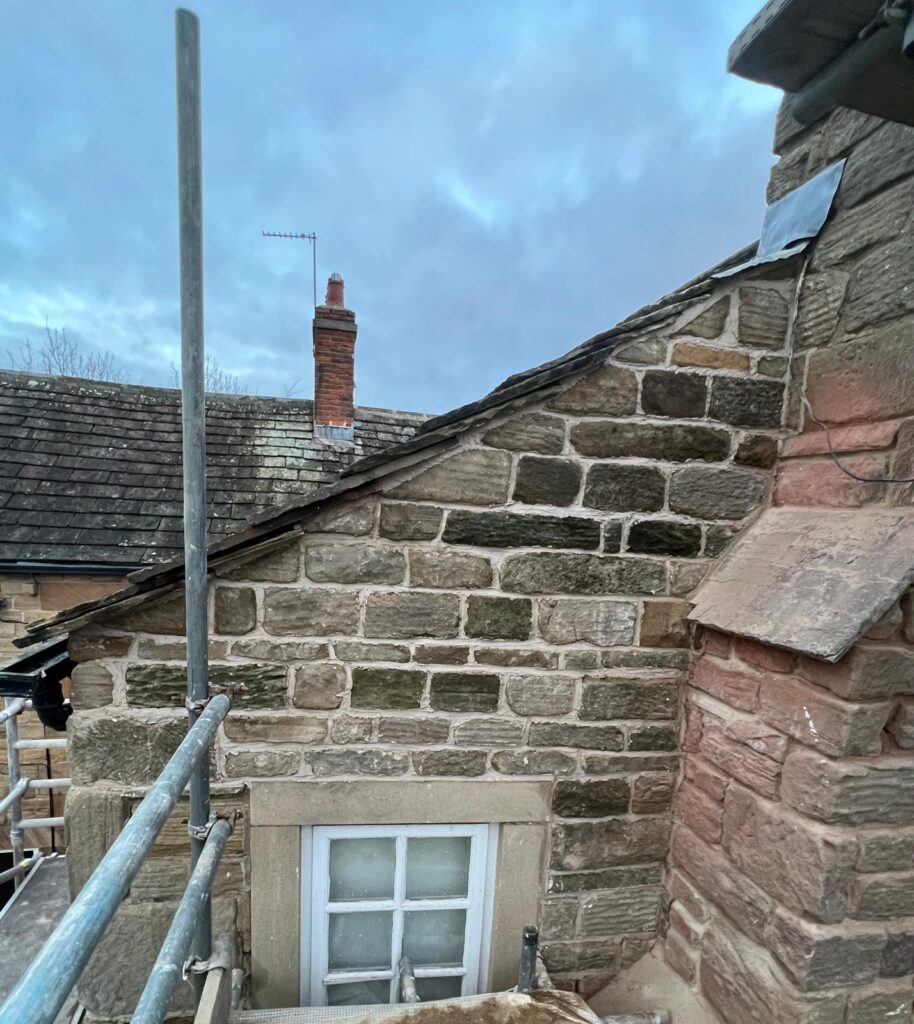
Stone replacement at Boyne Hill Farm, a Grade II listed building in Wakefield.
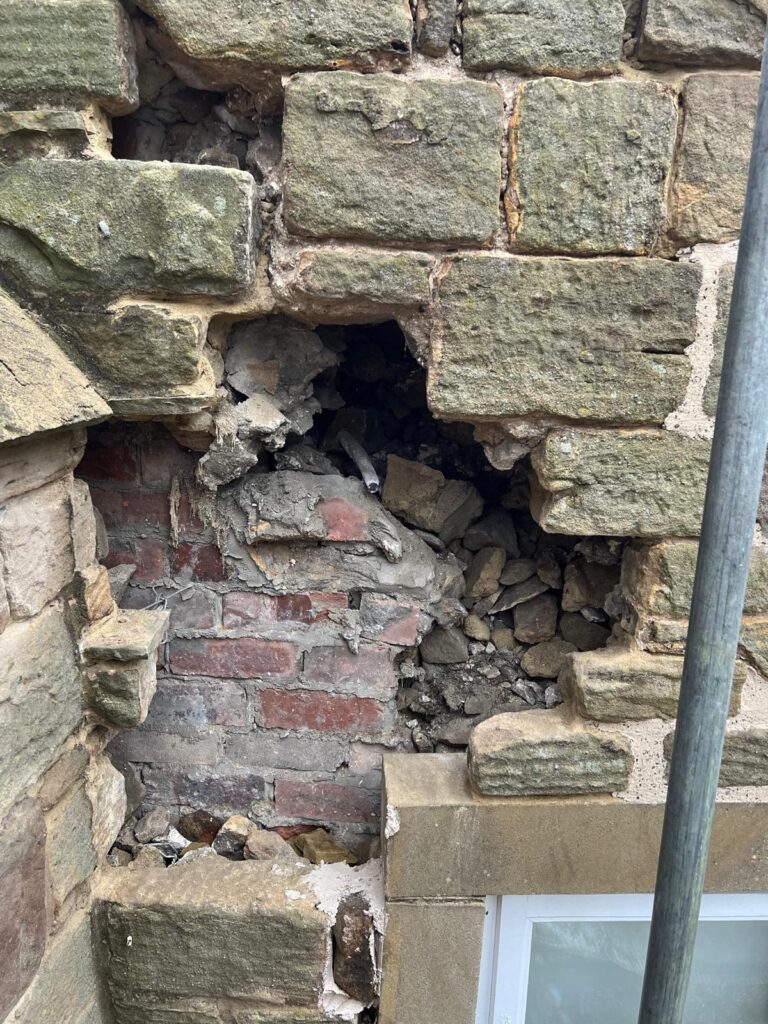
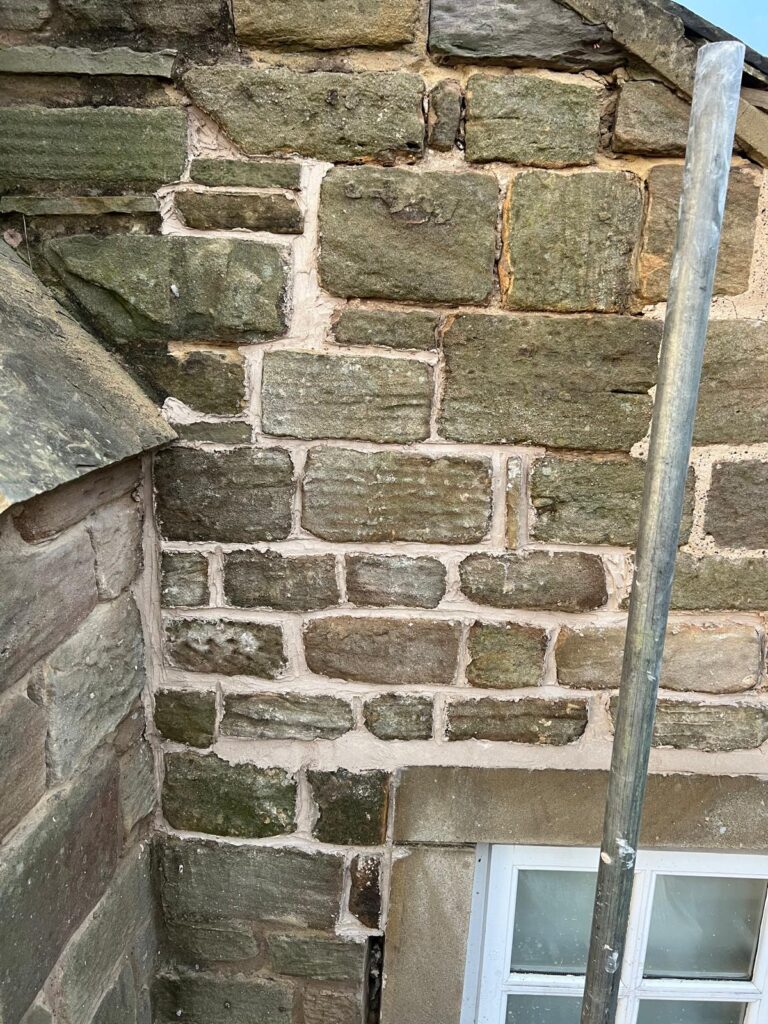
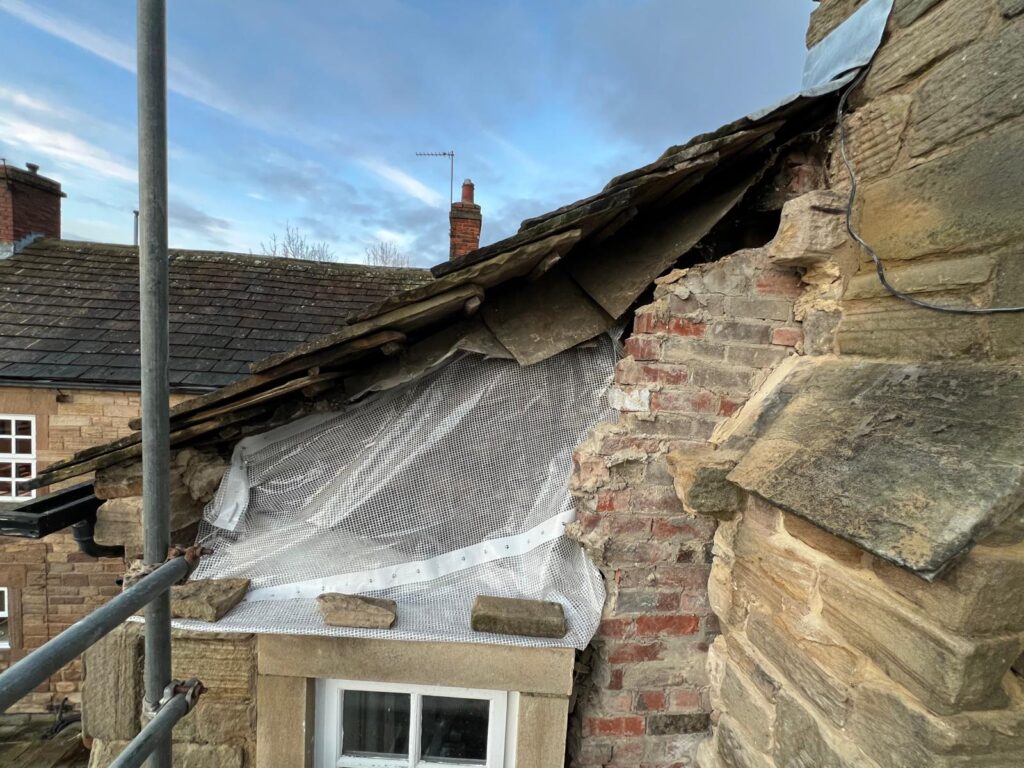
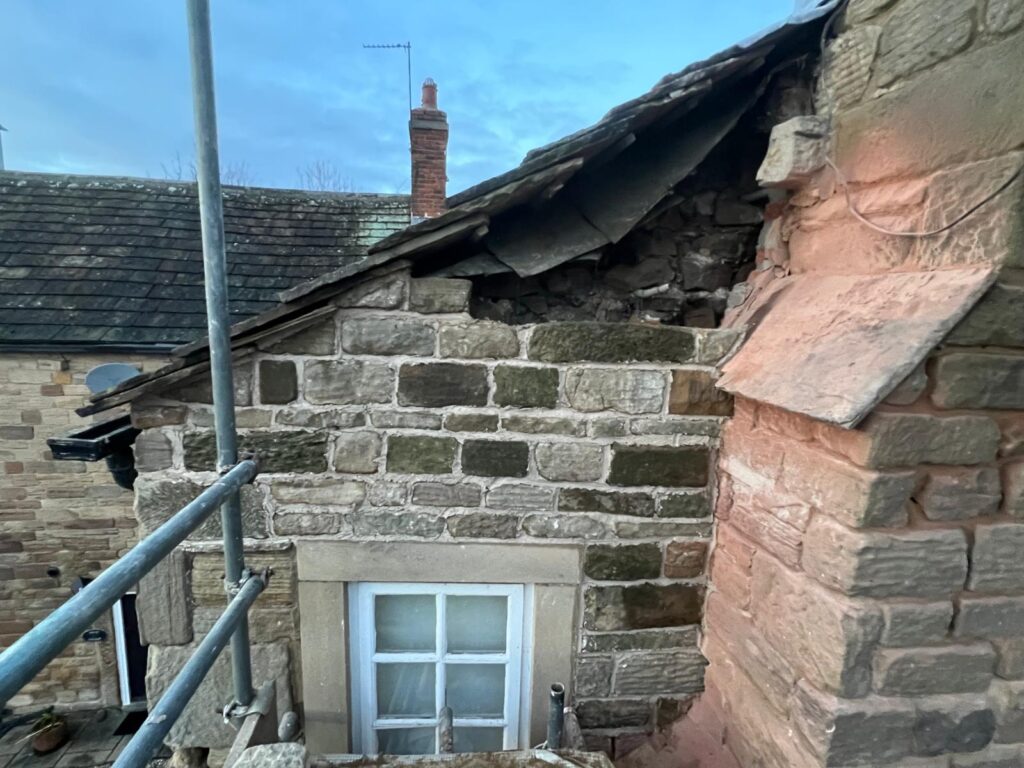
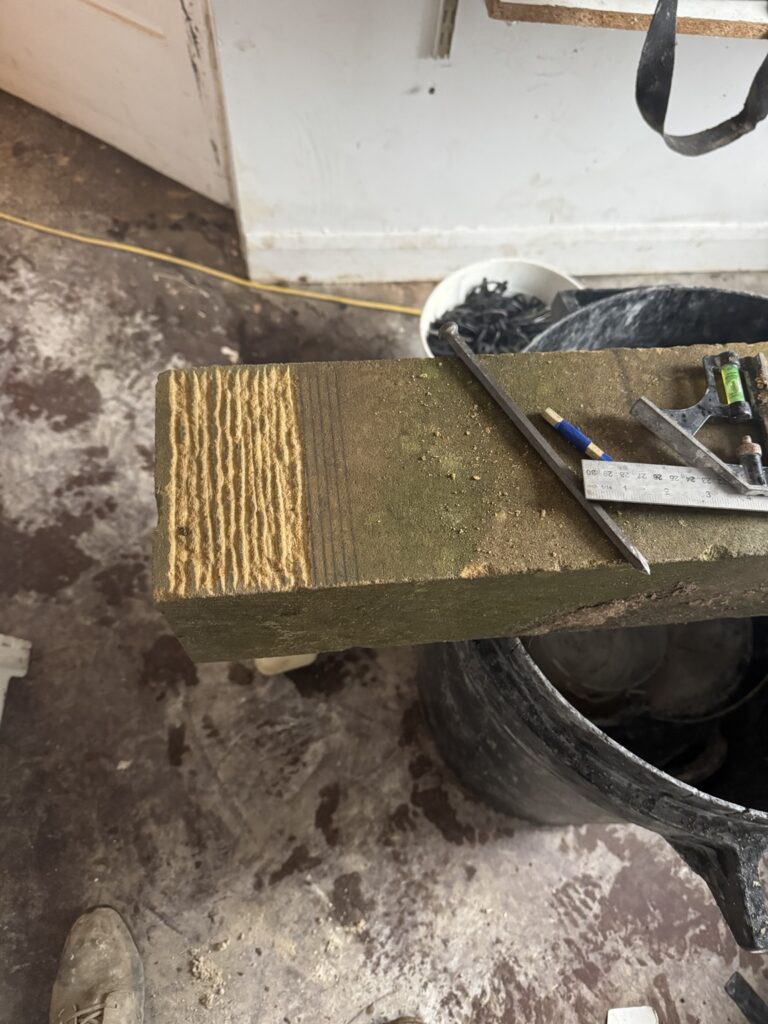
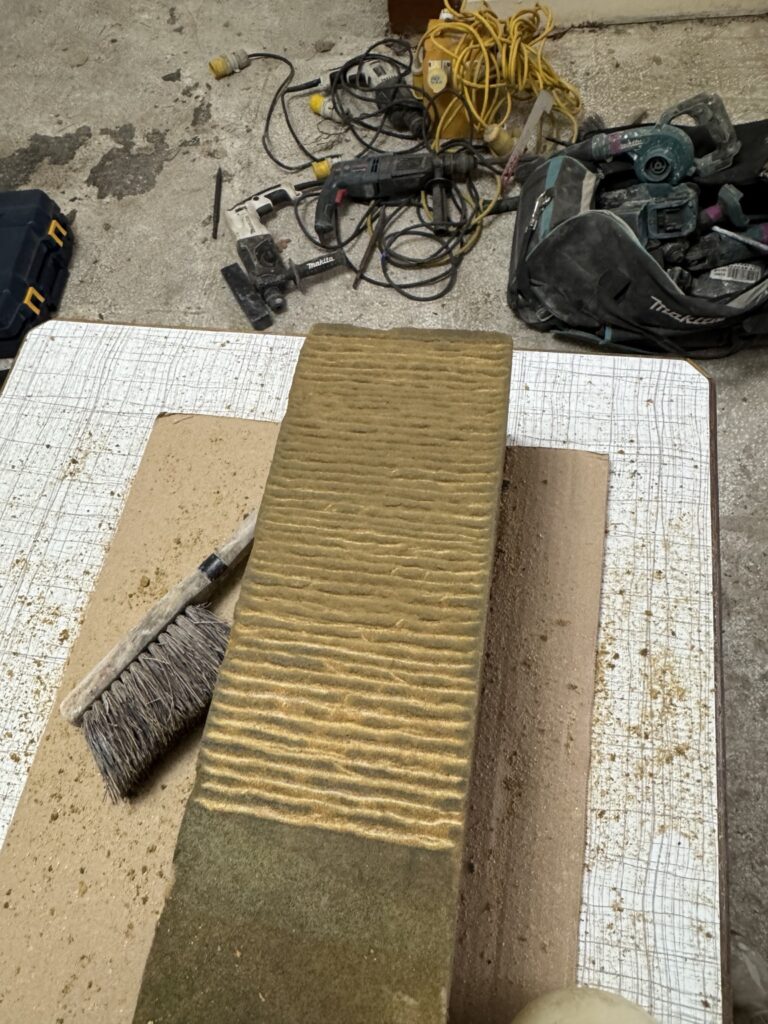
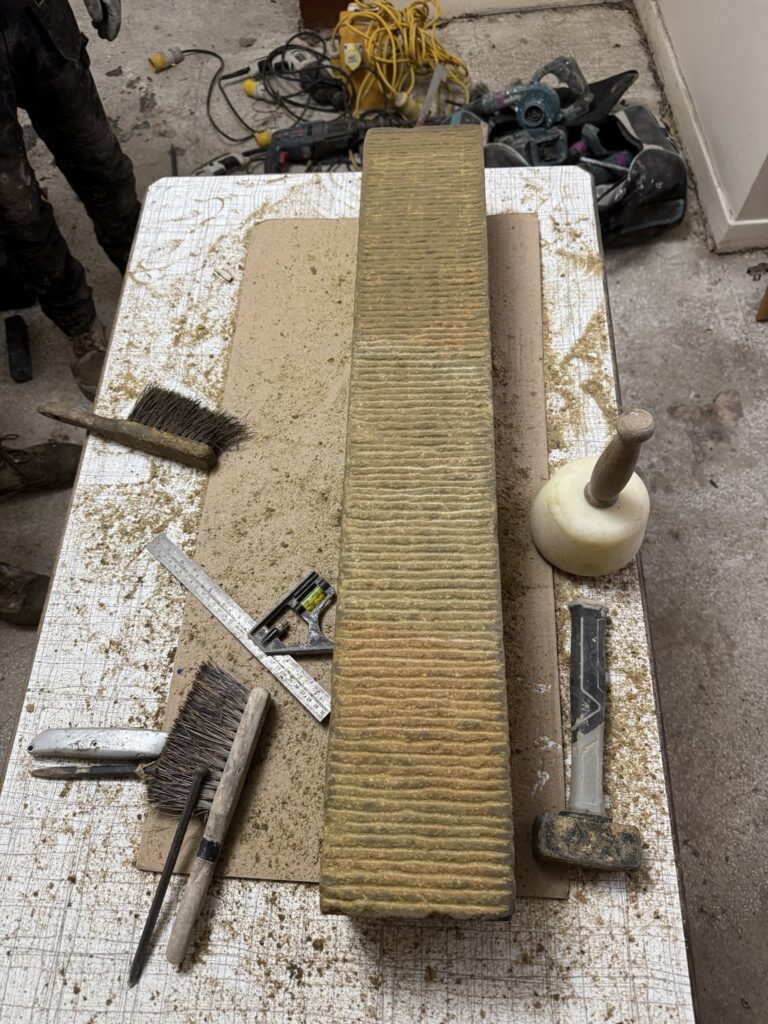
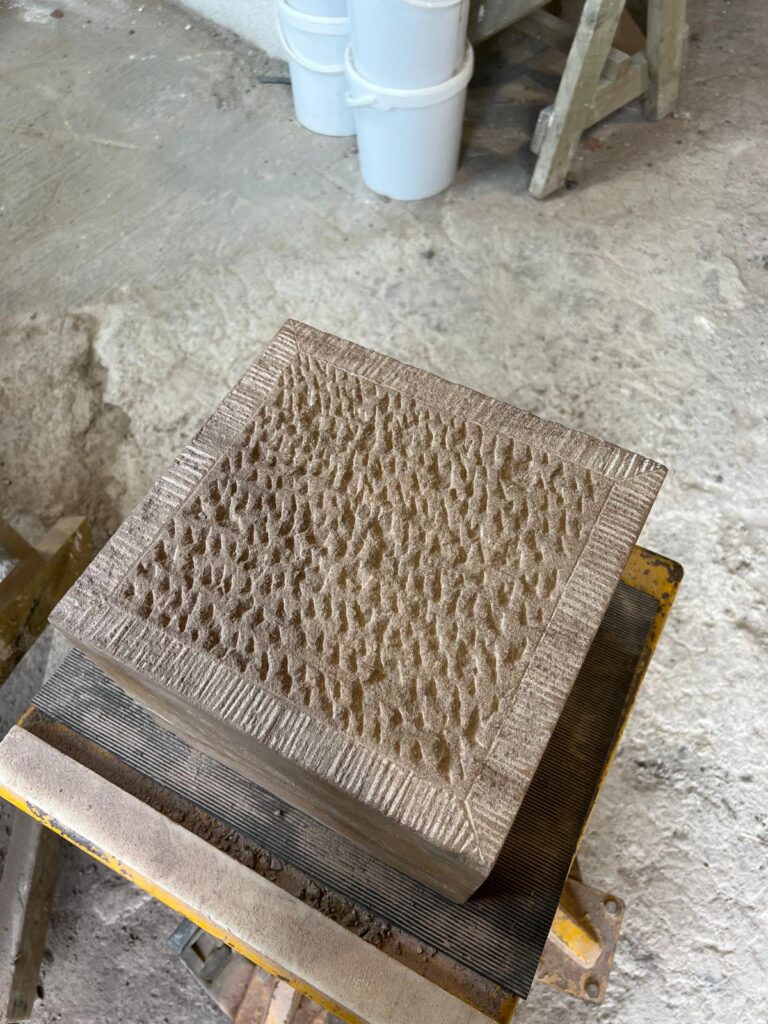
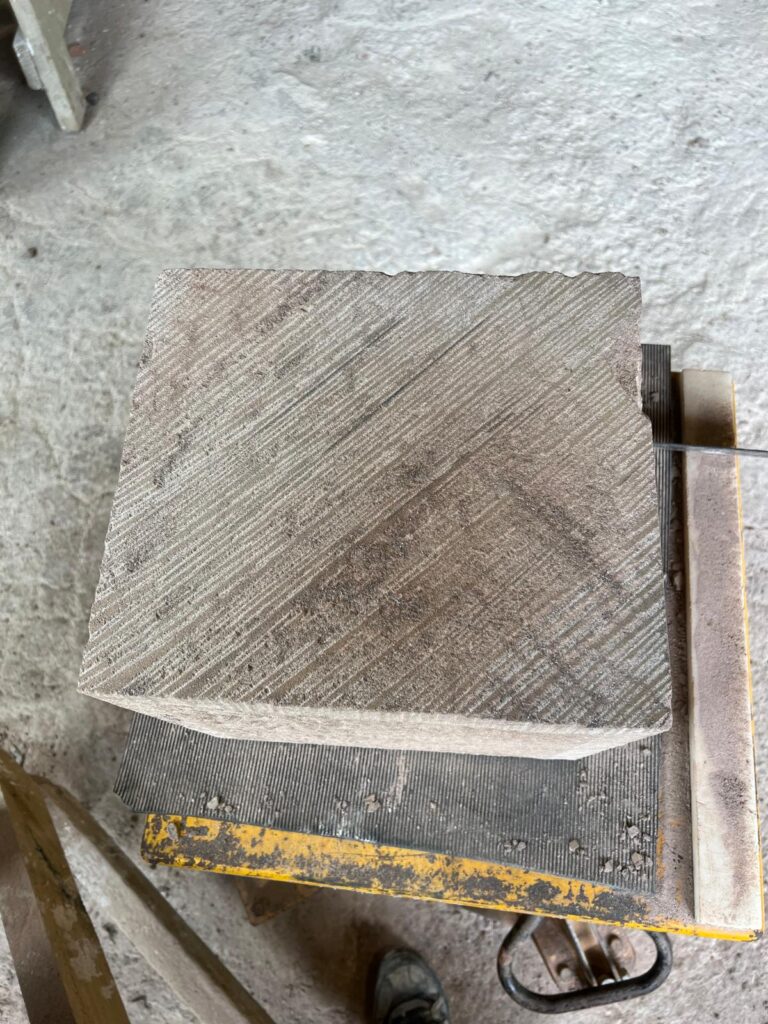
Stone tooling is the hand dressing of a stone’s surface to create the required shape, texture and finish. For repairs and replacement work, we consider the existing stone and surrounding details so the new work respects the character of the building. Our examples below show a stone jamb being tooled and stugged and droven finishes.
The post and lintel were the first form of structural support for an opening, dating as far back as the Stone Age. The post and lintel were used by the Romans and the Greeks in their buildings and later throughout Europe. The masonry conservation of this ancient construction technique is still used today in many historic buildings. The post and lintel consisted of two vertical posts supporting a horizontal beam, which formed an opening for doors or windows.
Using the post and lintel significantly increased the height and size of buildings, allowing for more window openings and increased natural light. Lintels provide essential protection from the elements, and their durability means they can last for centuries with little maintenance.
However, they are also susceptible to damage from weathering and pollution and can sometimes need repair or replacement. Conservation experts, therefore, need to have a good understanding of stone lintels to ensure that they are adequately maintained. A damaged stone lintel or sill may not always need replacing. A consolidation mortar can create a sacrificial surface repair to the stone feature.
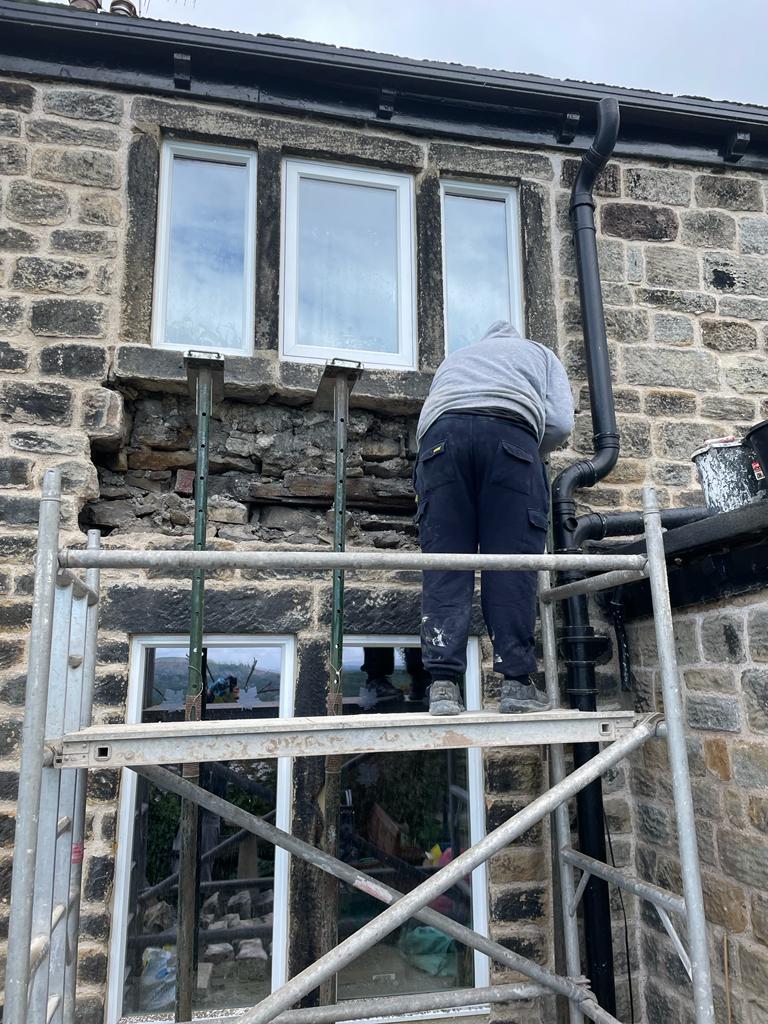
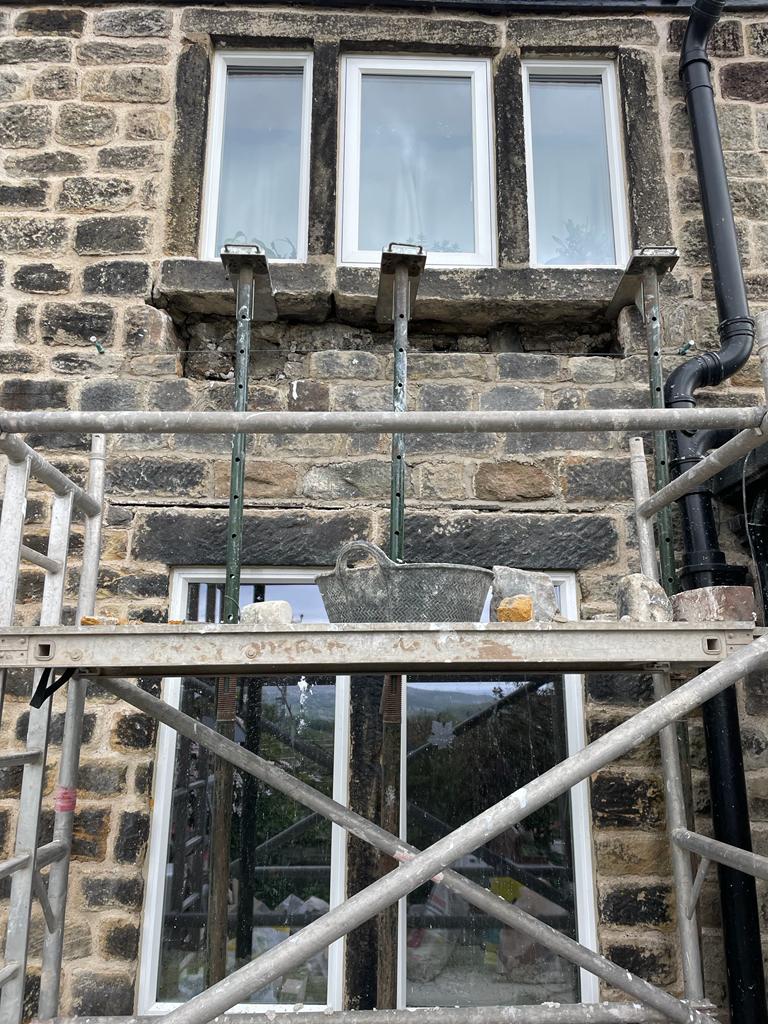
Stone lintel installation on a Grade II listed building in Yeadon, Leeds.
Sandstone and Limestone Repairs in Brighouse
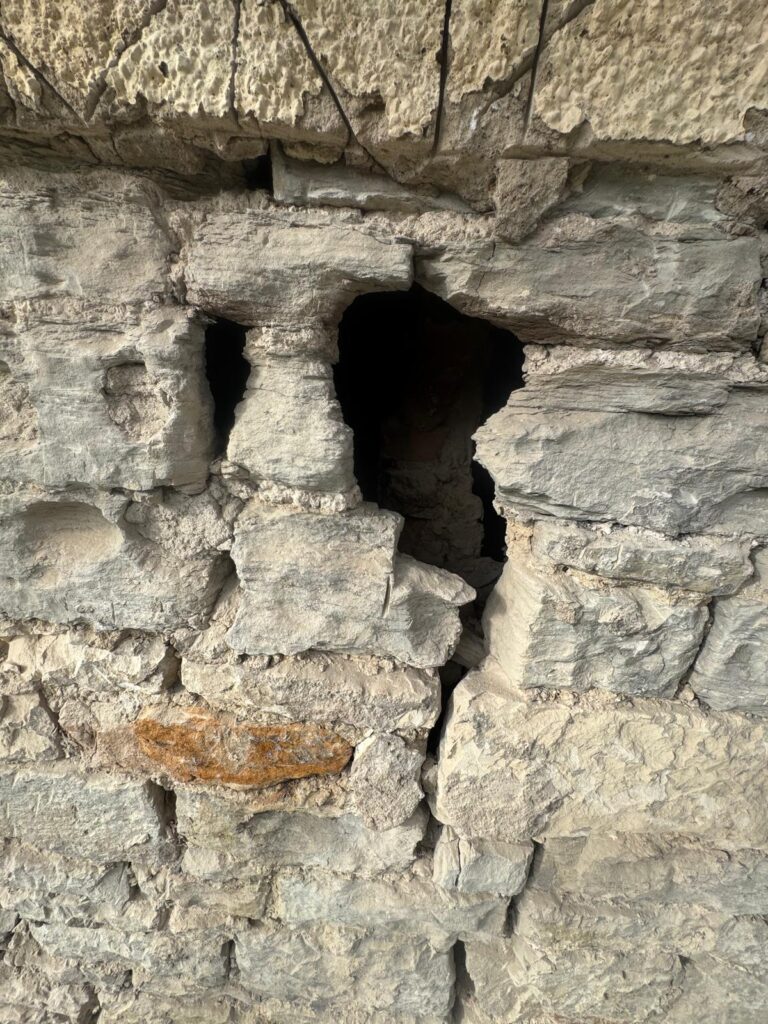
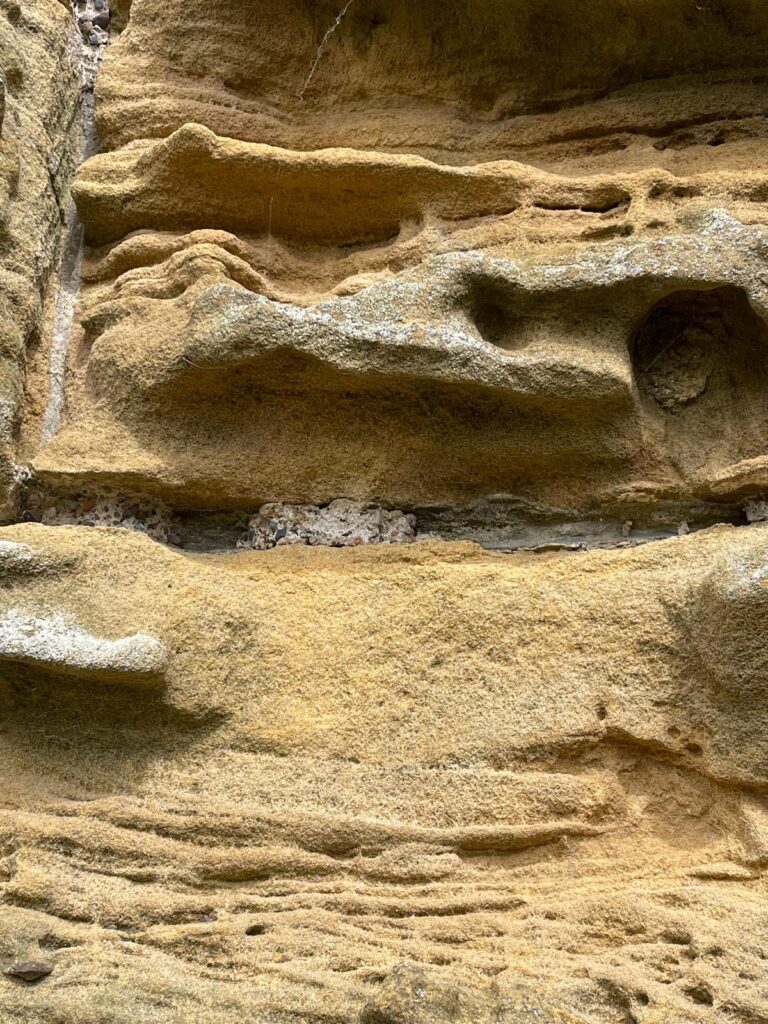
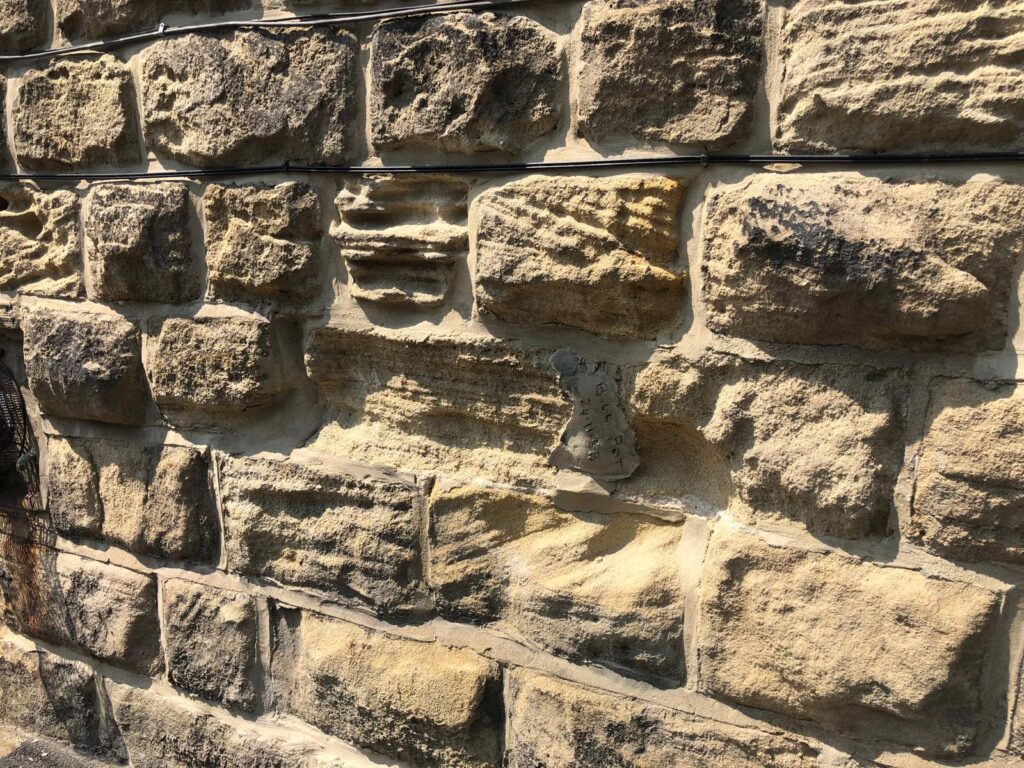
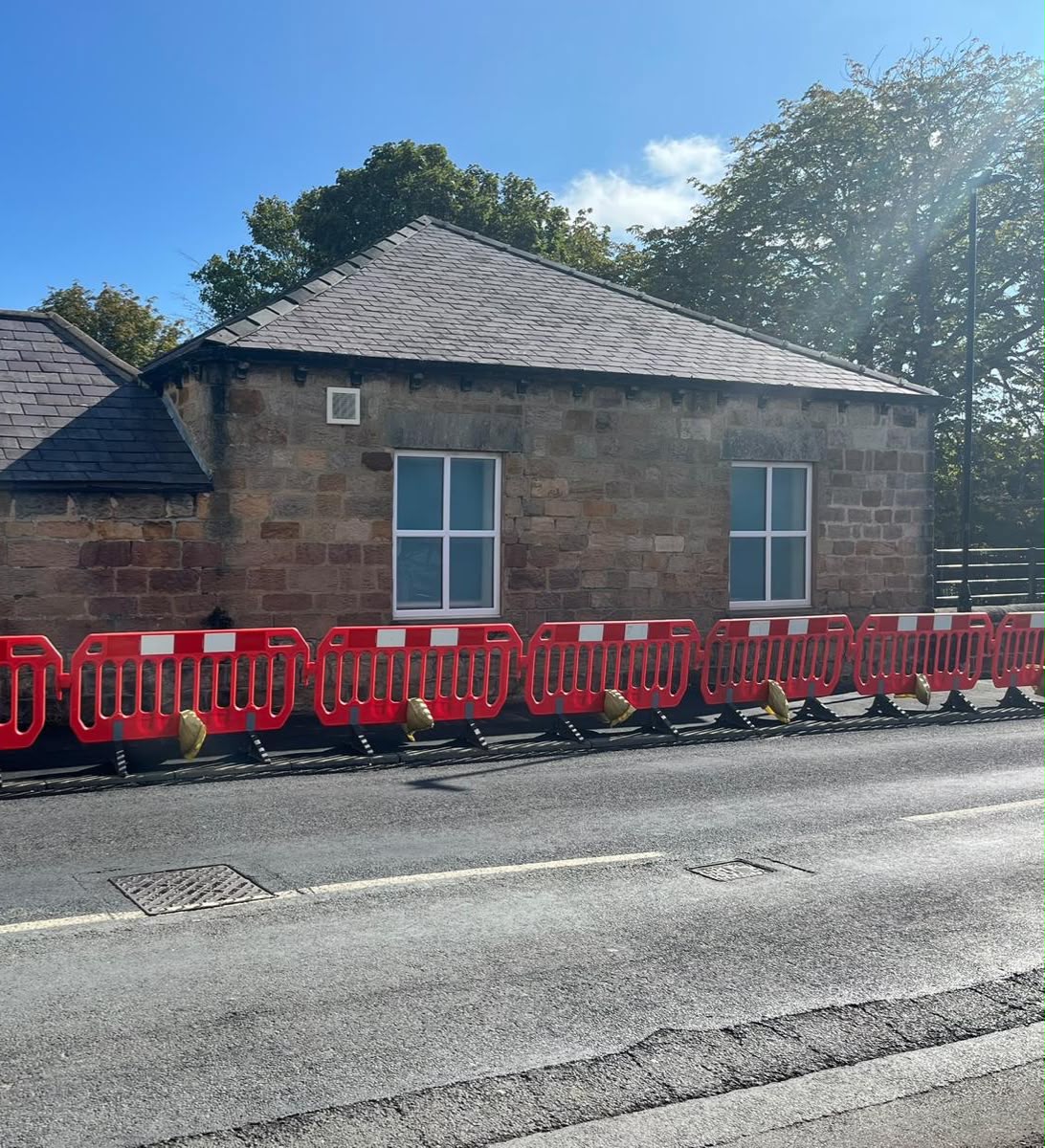
Sandstone and limestone each have their own characteristics, and successful repairs begin with understanding the original material. For sandstone and limestone repairs in Brighouse, we assess the condition of the stonework and the causes of deterioration before recommending suitable work.
Choosing a sandstone repair mortar involves more than matching its colour. Its strength, porosity and moisture movement must also be compatible with the surrounding stone. For many above-ground traditional masonry repairs, appropriately specified air lime mortars offer a more compatible choice than modern natural hydraulic lime mortars, commonly known as NHLs. The mortar specification must reflect the existing masonry and the conditions in which it will be used.
When we repair sandstone window sills, we consider how the whole detail sheds water. Damaged edges, defective joints and missing or obstructed throatings can contribute to deterioration. Addressing these causes helps protect the repaired stone and the wall beneath it.
Our limestone repairs follow the same careful approach: retain sound historic material wherever possible and select compatible materials for the repairs that are needed.
Repairing traditional stonework forms part of our wider approach to masonry conservation. That page explains our conservation principles and approaches, including stone consolidation and protective shelter coats.
Lime Mortar for Traditional Masonry Repairs in Brighouse
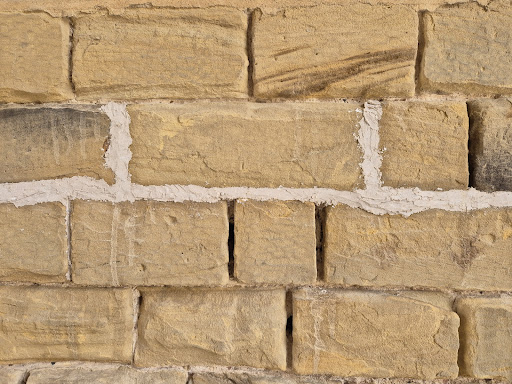
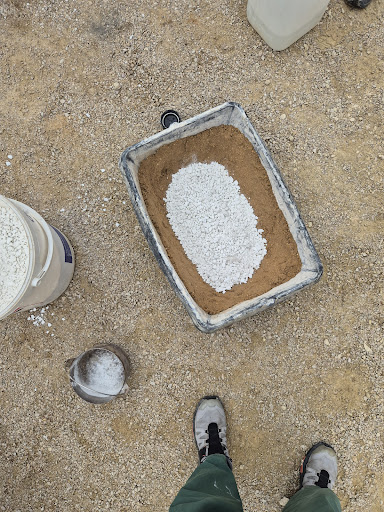
For traditional masonry repairs, mortar selection depends on the existing stone or brick, the original bedding mortar, exposure and the purpose of the repair. Hot-mixed air lime mortar is suitable for many above-ground historic masonry applications when specified for the particular building.
There is no single mortar that suits every wall. We assess the materials and condition before recommending a binder and aggregate, and we consider preparation, protection and curing conditions as part of the work.
Our Completed Stone Masonry and Conservation Projects

The Court A Grade II Listed Building Dated in the 1800s. Low Ackworth, Wakefield, West Yorkshire
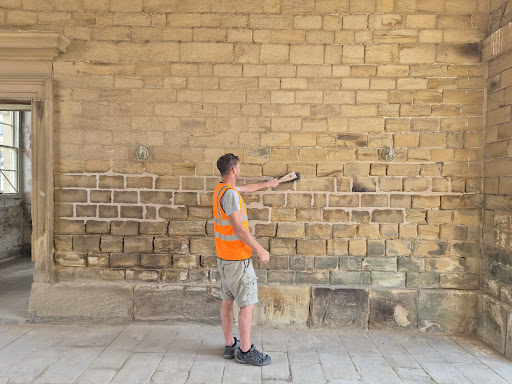
The hot lime mortar pointing work and traditional masonry repairs on this grade II listed building in Low Ackworth were carried out with great care and attention to detail to preserve the heritage of the building.

Dawcross House Dated From 1800s Pannal, Harrogate, North Yorkshire
Pannal is a village in the Harrogate district of North Yorkshire, England. Traditional lime pointing has been used to repair and restore masonry. Check the transformation!

Highfold Cottages Dating From The 1700s, Yeadon, Leeds
Yeadon is a historic village located in the heart of England. We were privileged to undertake the masonry restoration work on these beautiful cottages built in the 1700s. Check the transformation!

The Old Cottage Grade II Listed Building Dated From The 1400s. Chapelthorpe, Wakefield
Wakefield has a rich history, and Chapelthorpe is one of its most historic neighbourhoods. Roof torching with lime was carried out in one of the cottages in the village. Check the results.
Masonry Repairs in Brighouse
The Yorkshire Lime Company undertakes traditional masonry repairs in Brighouse and nearby communities. We work on period homes, listed buildings and other historic structures, assessing the construction and condition before recommending an approach.
Repairs can include local stone repair, carefully matched replacement, traditional brickwork, repointing, hand tooling and rebuilding. We aim to retain sound original material and select repair materials to suit the existing masonry.
Our project examples show work completed at the locations named in their captions. For more detail, visit the main masonry repairs service or contact us about a property in Brighouse.
Send us a message
- Phone:0794 683 7106
- Email:info@theyorkshirelime.companyOpens in your application
- Website:www.theyorkshirelime.company
Frequently Asked Questions About Stonemasonry
How do you repair damaged stonework?
We first assess the stone’s condition, function and causes of deterioration. Options can include localised mortar repairs, a carefully matched stone indent, selective replacement or leaving sound weathered material undisturbed. Replacement is not the automatic starting point.
How do you repair a stone surface?
A compatible mortar repair can sometimes rebuild a lost edge or weathering detail while retaining the original stone. The suitability depends on the stone, depth of loss and exposure. A surface repair cannot restore the structural capacity of a failed lintel.
What is a stone repair mortar?
Stone repair mortar is a workable material shaped to repair localised loss from a stone surface. Products and site-mixed mortars vary in binder and performance; manufactured repair mortars should not be assumed to be cement-free or compatible. We assess the formulation against the existing stone.
What materials do your stonemasons work with?
Our traditional masonry work includes sandstone and limestone repairs, stone wall repairs, localised replacement and lime mortar pointing. We select stone and repair materials to suit the existing building rather than treating every stone type in the same way.
What mortar should be used for traditional stonework?
The mortar should be compatible with the existing stone and bedding mortar in strength, texture and moisture behaviour. For many above-ground traditional repairs we favour appropriately specified hot-mixed air lime mortars. Exposure alone does not justify using a harder binder.
Can damaged stone be repaired instead of replaced?
Often, yes. Localised stone repairs can retain original masonry without replacing an entire stone. Where appropriate, we use a compatible repair mortar to rebuild missing areas and recreate the surrounding surface. This is sometimes called a plastic repair because the mortar is shaped while workable. Gentle weathering does not automatically need repairing. Where damage compromises a stone’s structural or weathering function, a carefully matched stone indent or replacement may be more appropriate.
How do you match repair mortar to existing stone?
Matching stone repair mortar involves more than finding the right colour. We consider the stone’s texture, strength, moisture behaviour and exposure, selecting a compatible binder and aggregates. Samples allow the proposed finish to be compared with the existing masonry before the repair is agreed. On our Grade II listed building project in Ackworth, we compared a natural stone repair mortar sample against the original stone before proceeding. Careful finishing then helps the repair sit comfortably alongside the surrounding stonework.
Can you repair sandstone window sills?
Yes, depending on their condition. Localised damage to sandstone window sills can sometimes be repaired using a compatible mortar, retaining the existing stone. We assess cracks, surface deterioration and how the sill sheds rainwater, including the condition of its underside drip or throating. Repairs should address the cause of deterioration as well as the visible damage. Where a sill is severely fractured or no longer sound, a stone indent or replacement may be more suitable than a surface repair.
What causes stone repairs to fail?
Stone repairs can fail when the repair material is incompatible with the original masonry, the surface is poorly prepared, or application and curing are unsuitable. A repair that is too hard or restricts moisture movement can contribute to deterioration of the surrounding stone. Persistent leaks, salts and movement can also undermine otherwise careful work. We investigate these causes first, then select suitable materials and provide the preparation, protection and aftercare needed for the repair.
How much do stone masonry repairs cost?
Costs depend on the type and extent of damage, safe access, stone sourcing, preparation and protection required. A local surface repair and a replacement structural stone involve different work. Contact us with photographs and the building’s location to discuss an assessment.