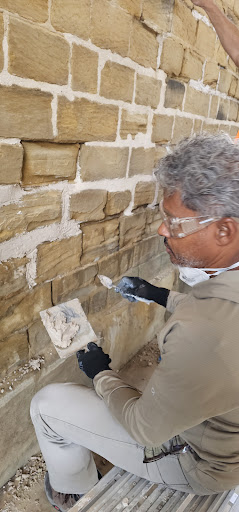
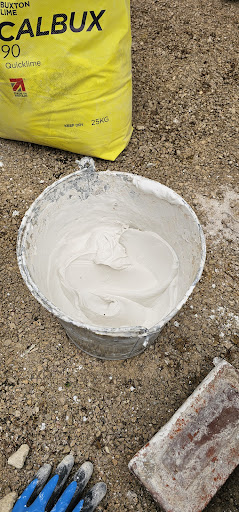
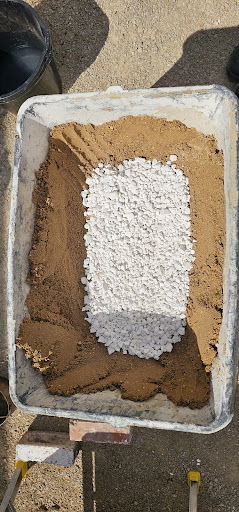
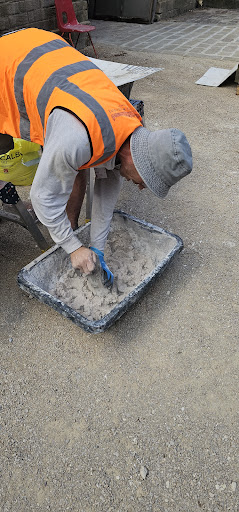
Many property owners, particularly those responsible for older buildings or period properties, ask the question: how long does lime mortar pointing last. The answer depends on several factors, including the building’s exposure, maintenance, and the quality of the lime work. When applied correctly using traditional methods, lime pointing can last for decades, often outliving cement mortar and providing long-term protection for the masonry wall. Understanding why lime mortar performs differently from cement based mortars is essential for anyone caring for stone, brick or historic buildings.
Lime mortar has been used for centuries because it works alongside the natural behaviour of traditional materials. Unlike hard cement pointing, which restricts movement and traps moisture, using lime mortar supports the building by allowing moisture to escape and by accommodating natural movement. Lime based mortars such as natural hydraulic lime, non hydraulic lime or lime putty mortars form part of a breathable building system. These materials ensure that water vapour can move freely through masonry units, preventing damp and avoiding damage that can affect structural integrity.
Why Lime Mortar Lasts Longer Than Cement-Based Alternatives
Cement mortar gained popularity in the twentieth century, yet cement mortars tend to create long-term problems in older buildings. This type of pointing is far less flexible than lime, and its rigidity can cause the surrounding masonry to crack. Cement tends to trap water rather than allow moisture to escape. When trapped moisture freezes, frost damage occurs, weakening both the mortar joints and the stone or brick. In contrast, lime mortar sets through a chemical reaction between calcium hydroxide and carbon dioxide. This carbonation process creates a durable binding agent that remains flexible and compatible with historic materials.
Lime pointing helps maintain the health of a building by reducing the risk of trapped moisture. Hard cement pointing restricts evaporation, forcing water sideways or deeper into the wall. This increases the likelihood of damp issues, staining, internal deterioration and damage masonry. Many homeowners discover that previous owner repairs with cement increase the rate of deterioration, leading to the need for replacing cement pointing with lime pointing services. Lime based mortars last longer because they work with the host masonry instead of against it.
How Long Does Lime Mortar Pointing Last in Practice
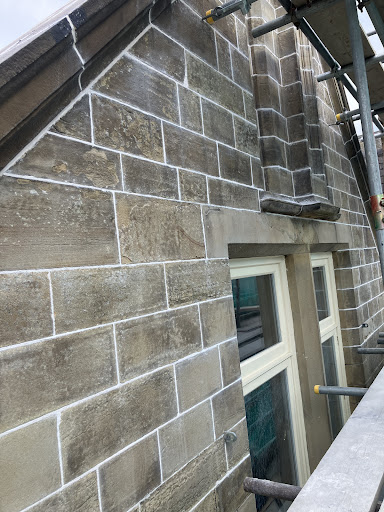
Well-executed lime pointing may last anywhere from forty to one hundred years, depending on exposure and maintenance. The question of how long does lime mortar pointing last depends on the quality of the original mortar, the type of lime used and the care taken during application. Natural hydraulic lime, eminently hydraulic lime and lime putty all offer different setting strengths. Non hydraulic lime and lime putty set slowly through carbonation, which requires adequate protection from cold weather, hot weather or rapid drying. When handled correctly, these materials endure for generations.
The longevity of lime mortar relies on the complex interconnected pore structure within the mortar. This structure allows moisture to move through the mortar joints, preventing build-up and reducing deterioration. Cement based mortars lack this pore structure, and their inability to handle moisture movement is one of the main reasons cement pointing fails prematurely in older buildings. Lime mortar also accommodates natural movement within the solid wall or masonry wall, reducing stress on the surrounding masonry and preserving the original materials.
Why Maintenance and Site Conditions Influence Longevity
The durability of lime pointing depends on the building’s exposure. External walls subject to prevailing winds, salt deposits or persistent rain may require more frequent re-pointing than sheltered façades. Poor maintenance, such as blocked gutters or defective downpipes, can introduce persistent moisture that deteriorates both new mortar and the surrounding brick or stone. Lime mortar lasts longest when water is allowed to escape naturally and when the wall is protected from preventable issues. Lime render and lime plaster can also support the longevity of lime pointing by maintaining overall breathability.
Historic buildings and older properties behave differently from modern cavity wall construction. In a solid wall, moisture movement is continuous, and lime mortars can readily handle this process. Cement pointing cannot. Cement tends to trap water and cause accelerated deterioration. When applied correctly, lime mortar pointing becomes part of a long-term cycle of building conservation, protecting the wall rather than competing against it.
Why Removing Cement and Replacing It with Lime Matters
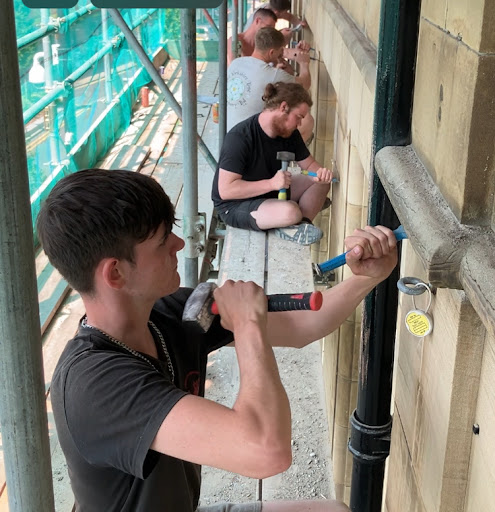
Many period property owners discover that their building contains areas of cement pointing applied by a previous owner. Hard cement pointing stresses the masonry and often leads to white staining, cracking and damp issues. Replacing cement pointing must be done carefully. An angle grinder should never be used on historic buildings because it damages brick, stone and original mortar. Hand tools should always be used to protect the host masonry and avoid unnecessary loss of fabric.
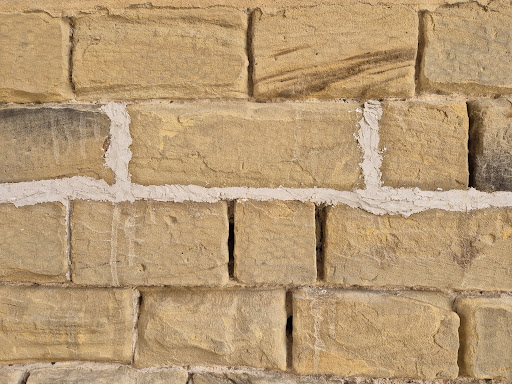
Once the cement is removed, new mortar made from hydraulic lime, non hydraulic lime or lime putty can be applied. Lime pointing restores breathability and prevents cracking caused by rigid cement pointing. Using lime also reduces the risk of trapped moisture and ensures long-term compatibility with the existing materials. Adequate protection, such as damp hessian, may be required while the new mortar cures, particularly in hot weather or cold weather conditions.
How Lime Mortar Responds Over Time
Lime mortar ages naturally and gently. As the mortar carbonates, it becomes stronger while retaining flexibility. This ability to move with the building reduces the stress placed on the surrounding brick or stone. Lime mortar sets at a pace appropriate to its composition. Hydraulic lime sets more quickly and suits external walls. Non hydraulic lime sets slowly and suits protected areas. Both types allow moisture to pass through and maintain the structural integrity of older buildings.
Cement mortars, by comparison, can fail suddenly. Once the rigid bond is compromised, cracks propagate quickly, sometimes damaging masonry in the process. Lime mortars degrade more predictably and more slowly, allowing areas of new mortar to be replaced with minimal disruption when required.
How Long Lime Mortar Lasts Depends on the Building, but Outperforms Cement Every Time
The longevity of lime mortar pointing cannot be measured by rigid timescales alone. The question of how long does lime mortar pointing last must always be viewed in relation to the building type, the exposure, the maintenance and the materials used. However, lime pointing consistently outperforms cement pointing in historic buildings and traditional buildings because it respects the nature of the structure. Lime mortar helps preserve the masonry, supports natural movement, prevents damp and reduces long-term deterioration.
Period properties, traditional buildings and older buildings were built using lime. These structures depend on lime to function properly. Cement pointing interrupts that function. Whether working with brick, stone, sand or mixed historic materials, the correct approach is always to use lime. When lime work is applied correctly, the results endure, protect and support the building for generations.
Contact The Yorkshire Lime Company For Lime Pointing Services
If you want to understand how long lime mortar pointing will last on your building, or if you are considering replacing cement pointing with a more suitable material, The Yorkshire Lime Company can provide expert guidance. We specialise in using lime based mortars that support the health and longevity of historic buildings. Our lime pointing services are tailored to the building, ensuring compatibility with the original materials and long-term performance.
To arrange a site assessment or discuss your masonry wall, contact The Yorkshire Lime Company today. Our conservation-led approach ensures that every wall, whether brick or stone, receives the correct mortar for lasting protection.