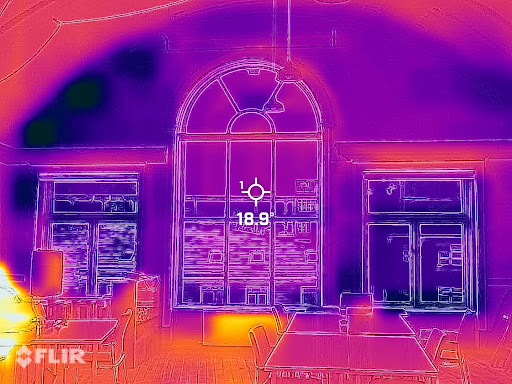
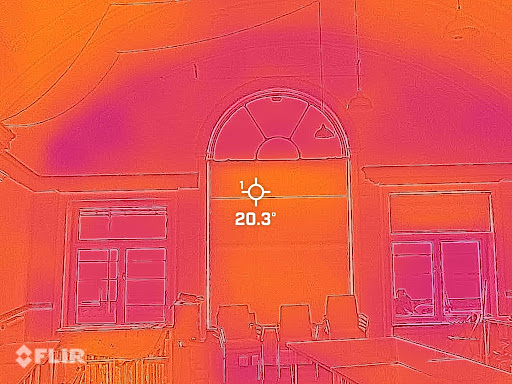
Condensation is normally a bigger problem during the winter months, when the temperature outside is considerably cooler than indoors. However, with chilly conditions tirelessly persevering this year, homeowners should continue to take action to reduce condensation in their properties.
Open windows
Although it is not very warm outside, it is a good idea to open windows from time to time for ventilation.
Building and construction expert Thomas Goodman told Real Homes: “By keeping your windows open, you allow the humid air to circulate the room and escape outside.”
However, you may find it more effective to allow for a constant trickle of air to flow through if you want to avoid condensation. Material use could also make a difference and the likes of modern house paints could be part of the problem, whereas limewash and lime plaster can actually help you regulate moisture and prevent condensation buildup.
Keep heating on
Condensation depends on indoor moisture, surface temperature and ventilation. Avoid large uncontrolled swings in conditions where possible, but do not assume that leaving heating on continuously is always the cheapest or most effective answer. Check leaks and ventilation alongside heating and monitor the actual rooms.
This keeps surfaces warm and limits the temperature difference with the air, which causes condensation. Doing this is better than feeling freezing then blasting the house with hot air for a short period of time to compensate.
Dry clothes outside
Drying washing indoors adds moisture to the air. Where possible use outdoor drying or an appropriately ventilated drying arrangement; a heated airer still releases moisture into the room. Choose a practical solution for the building and household rather than relying on a historic energy-price comparison.
Therefore, it is sensible to hang clothes outside at the first glimpse of sunshine or use a heated clothes airer when there is none. Ventilate the area by opening windows as well, as this will prevent water droplets forming.
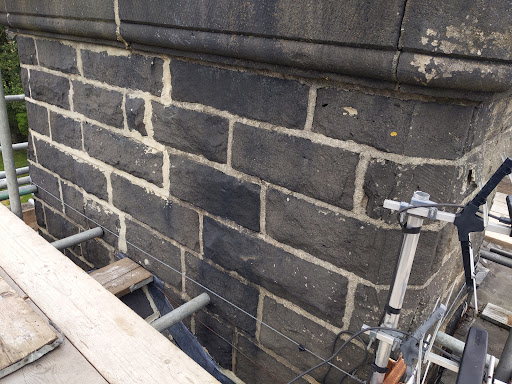
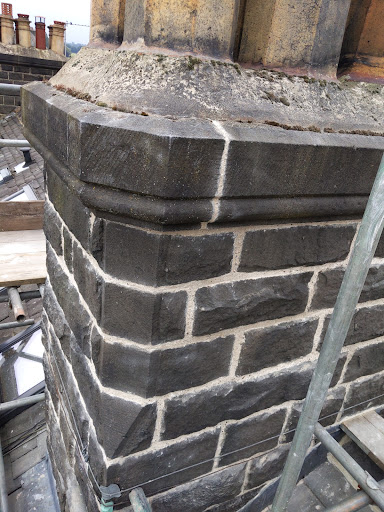
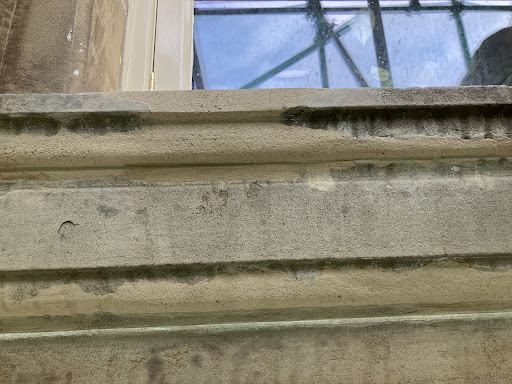
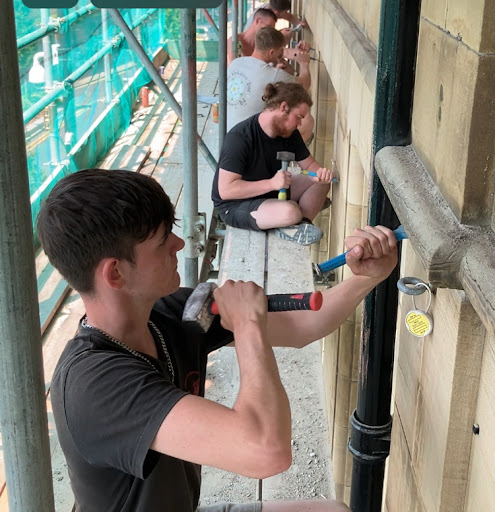
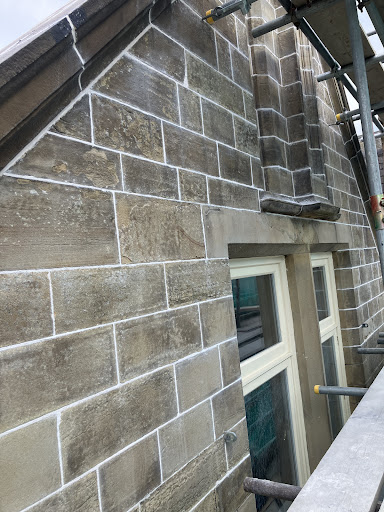
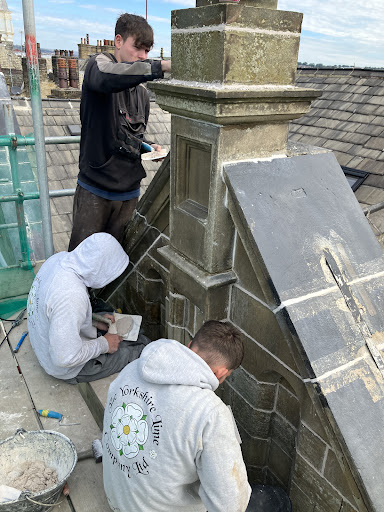
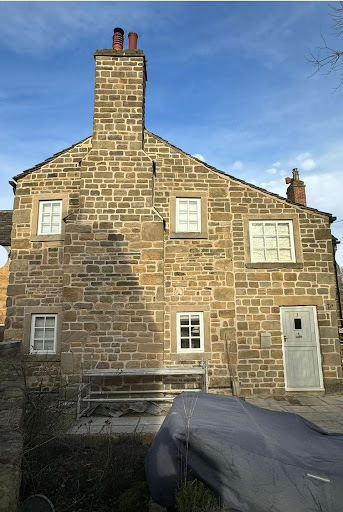
Reducing condensation is essential in a heritage home, as damp problems can be difficult to repair. Homes with water damage might even need historic property restoration.
When a damp patch is not condensation
Record where and when the damp occurs. Check rain-related changes, leaking gutters and plumbing before treating every patch as an indoor ventilation problem. Lime finishes can assist compatible moisture behaviour, but they cannot guarantee that condensation will never occur. Our traditional damp solutions begin with the cause.